
Mogya Education Program
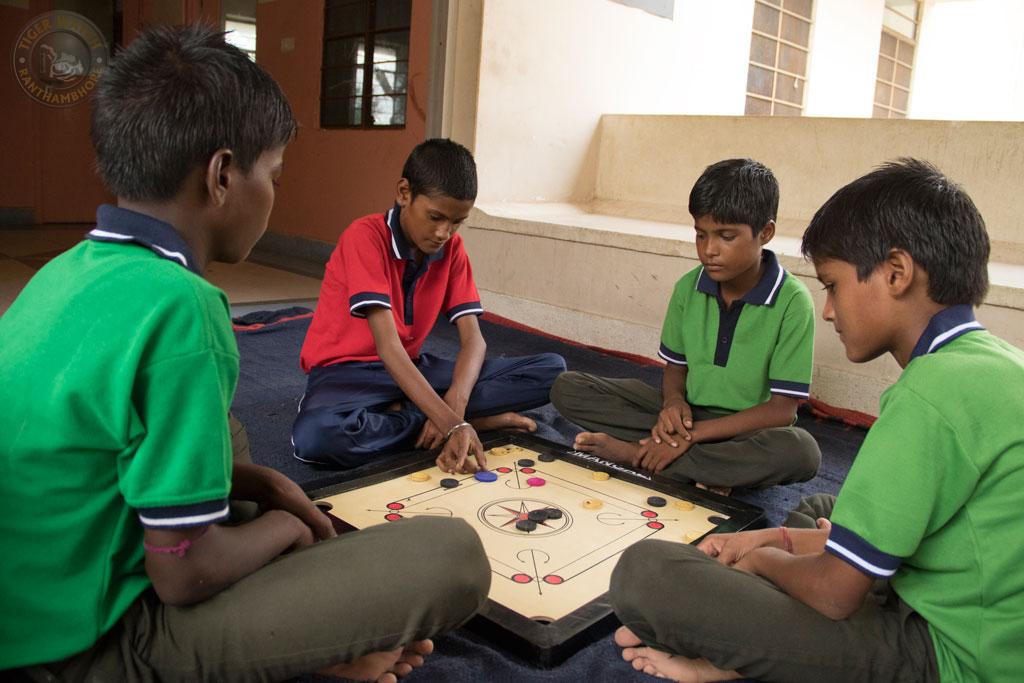
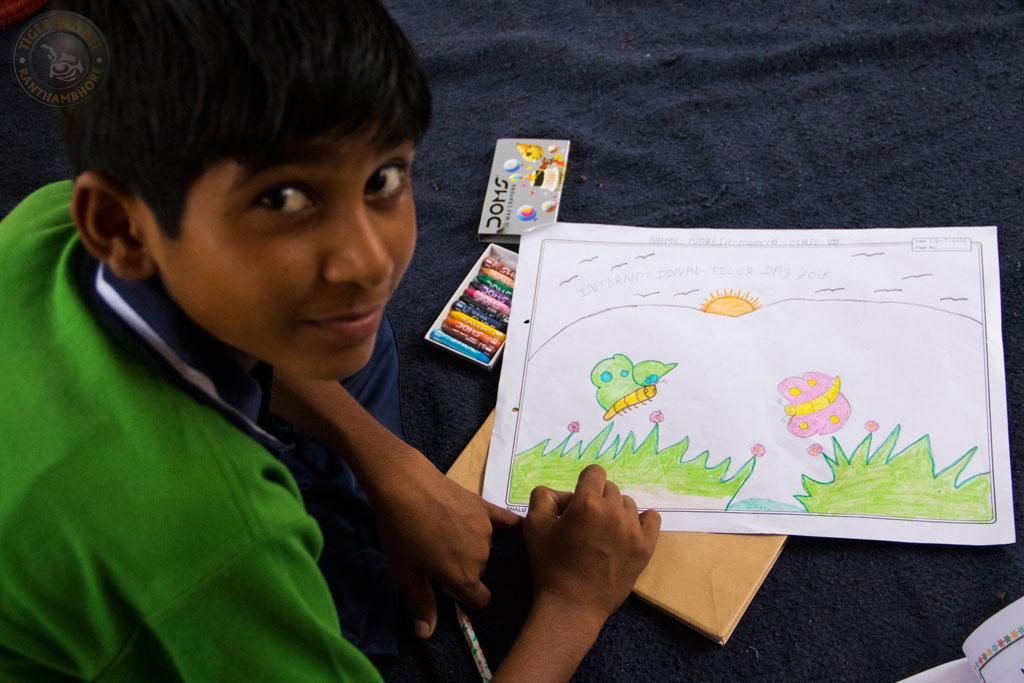
The Mogyas are, historically, a socially marginalised people. Hunting has been the Mogya’s sole craft for centuries and something they proudly identify with. Their small numbers also ensured they did not benefit from government programs for marginalised communities. Their low social standing and formidable bushcraft made the Mogyas resort to poaching for sustenance. The world around them has gradually changed, but these hunters have continued to poach for a living. Punishment by law was an obvious solution to stop the poaching crisis, but this was only a part of the solution. Social upliftment was the second part, and Tiger Watch sought to bring the next generation of the Mogya community into the mainstream through education. The first candidates to go through the program were none other than the children of the poachers arrested in raids carried out by Tiger Watch’s anti-poaching team.
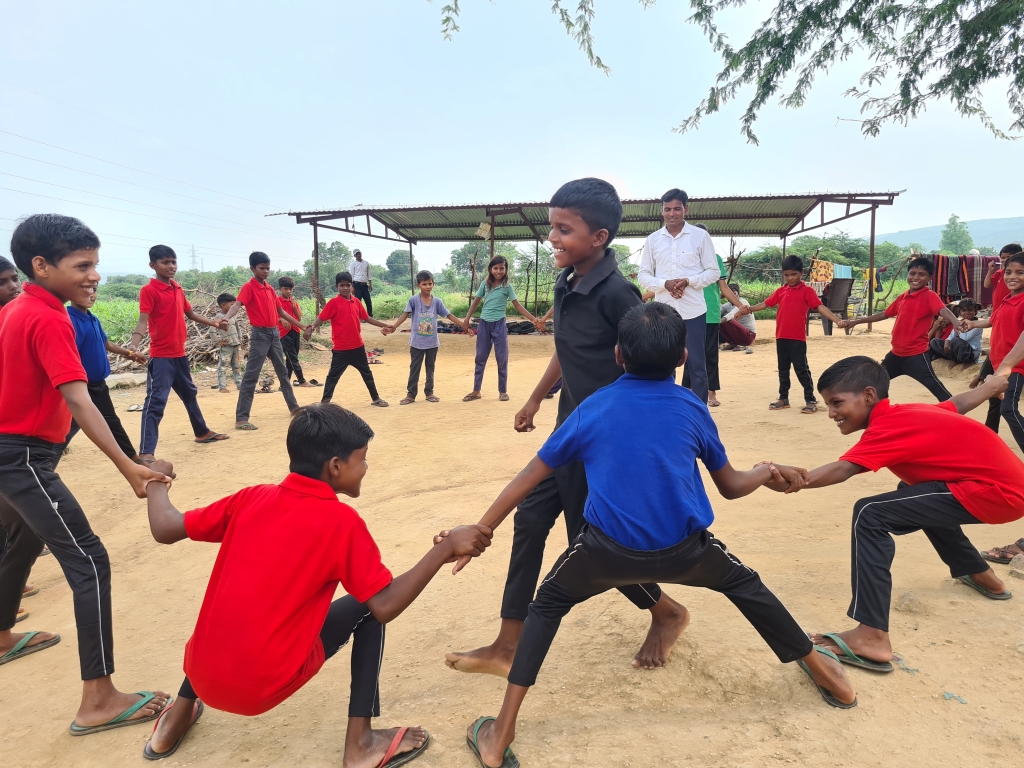
After a humble beginning with a batch of 9 Mogya children in 2006 in spartan premises generously provided by a progressive Forest Ranger, the program has grown from strength to strength and today reaches 200 children, 91 of them girls.
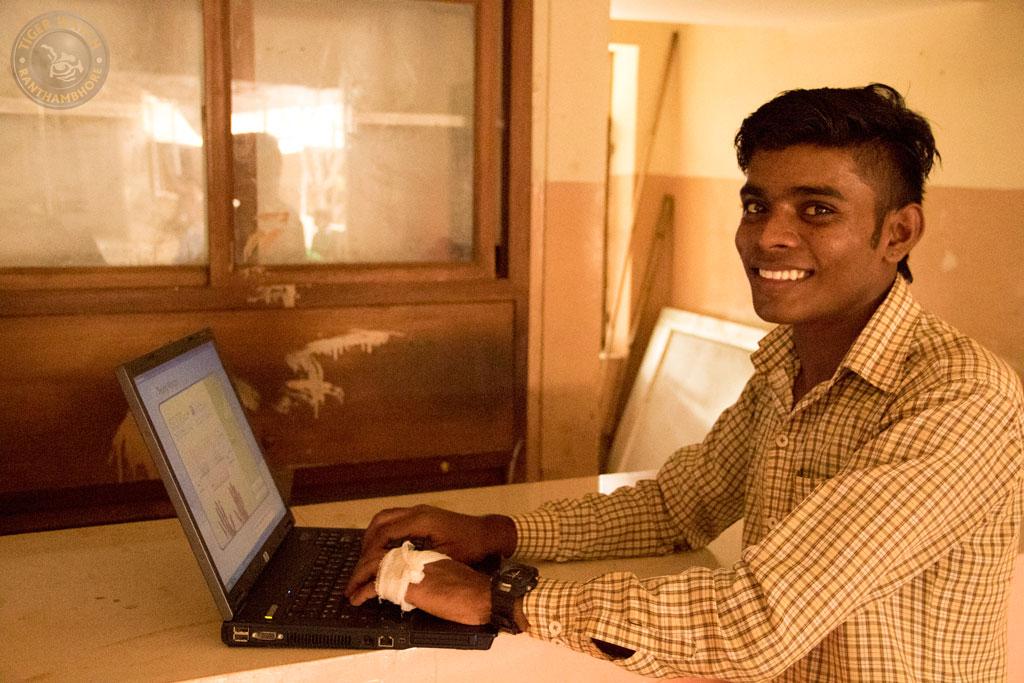
Several children have since graduated both primary and secondary school with flying colours and have moved on to pursue higher education or vocational training, which will ensure their place in a growing economy. The biggest success stories are that in the history of this community, Mogya children have passed the metric, some have done ITI and studied further, such as Jaggu Lal Mogya, a bright student, who pursued a higher education at the University of Jaipur.
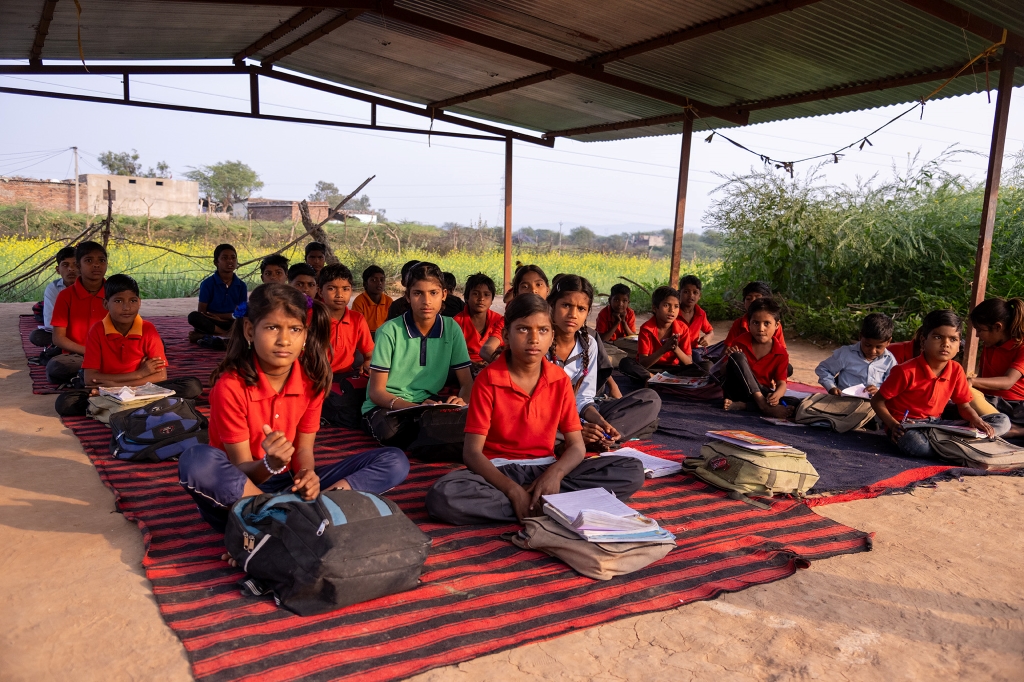
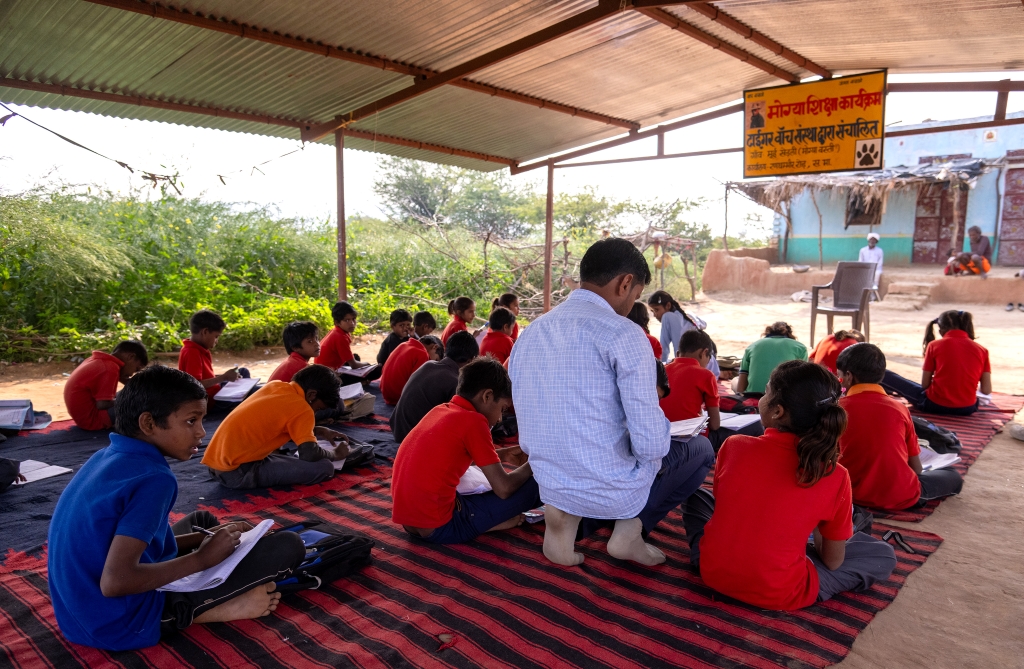
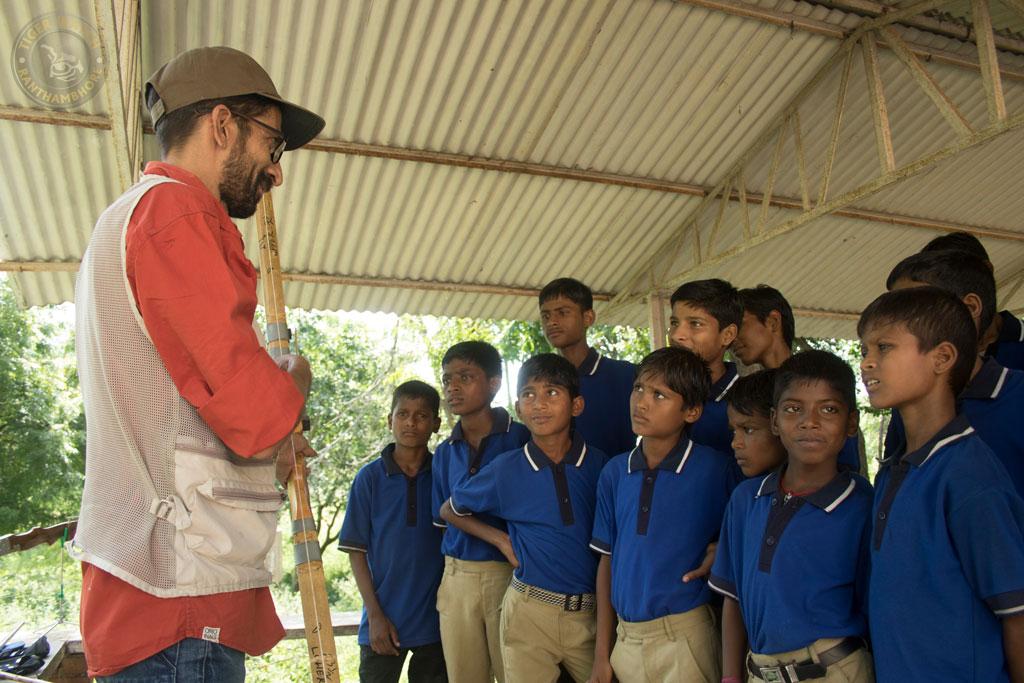
Ever since the onset of COVID -19, we have shifted the program to village-based teaching: today 8 teachers run 9 village centres, holding a two-hour session in each village every day. Moving out of the hostel also allowed girls to join, which led to our Baagh Pari program for Mogya girls.
Even the teaching staff reflects the change this program is bringing about in the Mogya community. One of the two new women teachers engaged by the program, Ms. Laxmi Mogya, is from the community herself, showing how things have come full circle.
In June 2025 we opened a new centre at Bhedola for 30 Mogya families who chose to relocate out of Ranthambhore Tiger Reserve, starting with 24 children. Older students also receive vocational training, such as electrical work and motorcycle repair, to help them build livelihoods that do not depend on hunting.
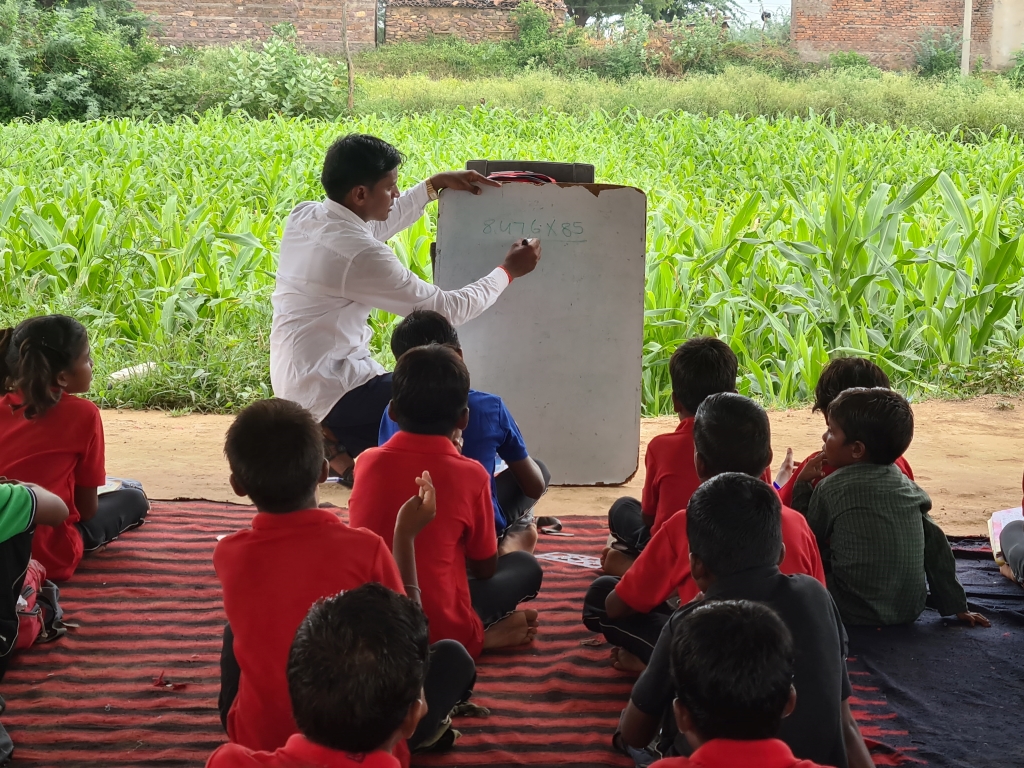
Once considered a fool’s errand by some older conservation groups in India, the Mogya Education Program is now recognised as a one-of-a-kind initiative that has turned a new leaf in conservation practices. Local journals and newspapers have covered it, as well as newspapers around the world, as an example of best practices and change.
Our chairman, Mr. Iskander Lalljee of Süd-Chemie India Pvt. Ltd., has consistently supported the Mogya Education Program.






Address:
Maa Farm,
Ranthambhore Road,
Khilchipur, Sawai
Madhopur, Rajasthan,
India - 322 001
Phone: (+91) 90015 07777