
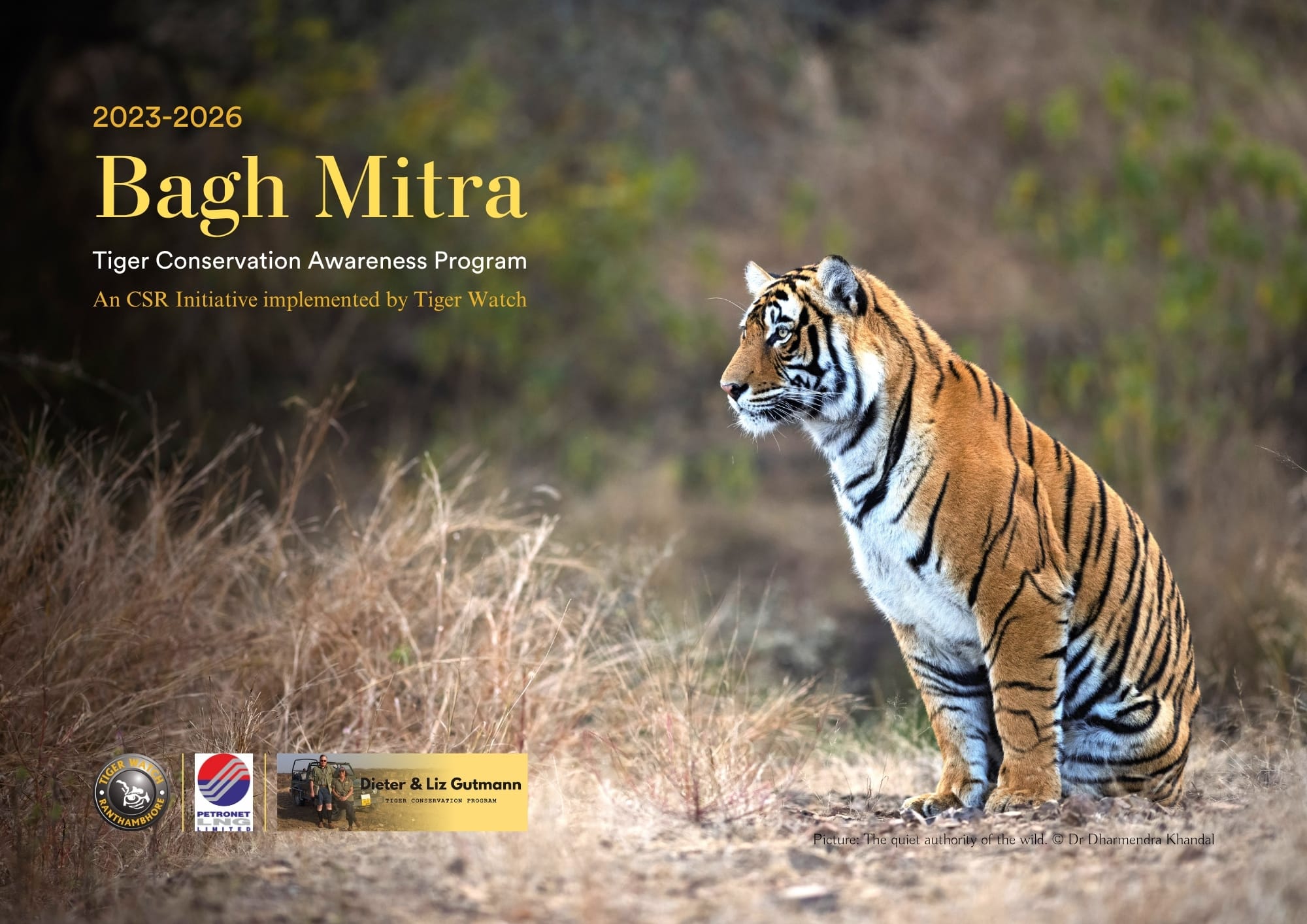
Bagh Mitra Tiger Conservation Awareness Program
Vision: From Aloofness to Stewardship
What does it take to raise a generation that protects what their ancestors feared or exploited?
Rising anthropogenic pressure—grazing, fuelwood extraction, encroachment, litter, and rapid land-use change—threatens both Ranthambhore and Ramgarh Vishdhari Tiger Reserves. With limited awareness infrastructure in many forest-edge villages, communities often see tigers negatively, as symbols of risk rather than keystone species. Bagh Mitra was conceived to change this narrative—beginning with the youngest minds.
Program Overview
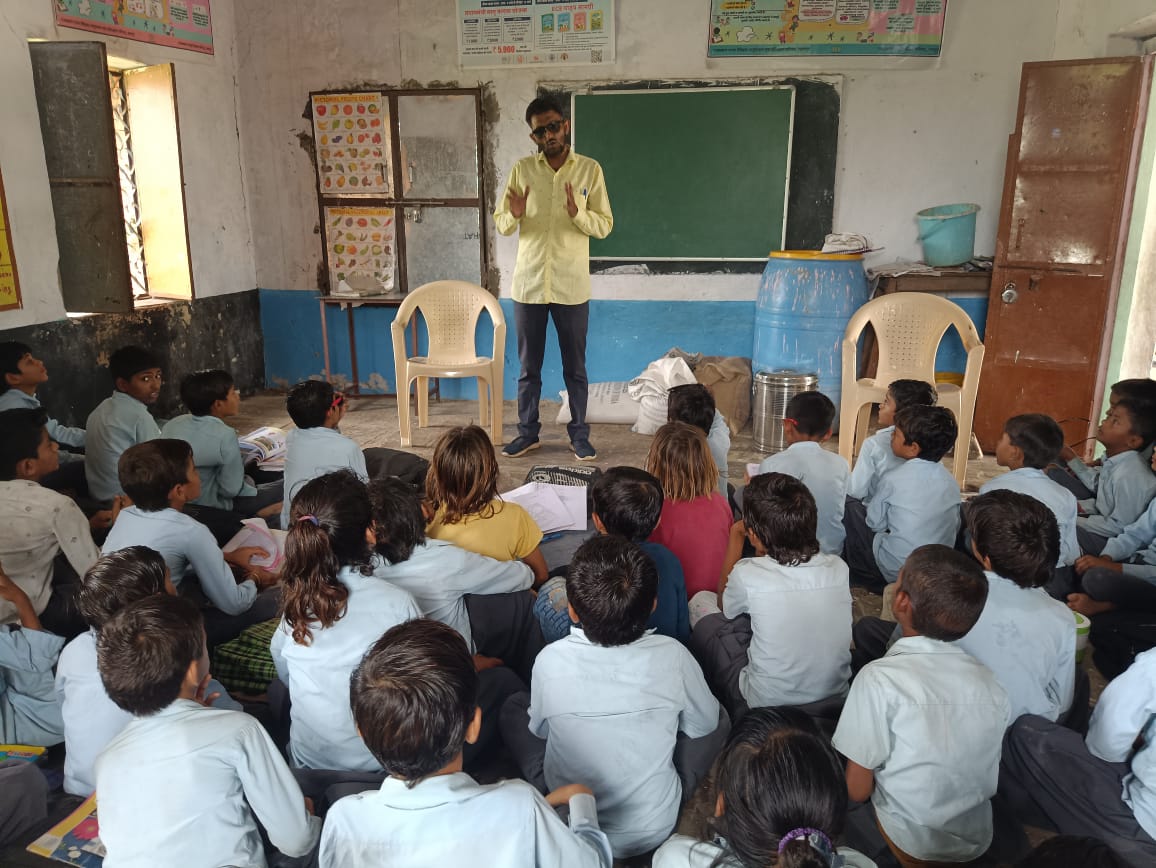
Launched in 2020, the Bagh Mitra Program (BMP) is Tiger Watch’s flagship conservation education initiative for high-conflict zones. By taking environmental education directly into classrooms—and out into the field through nature clubs and village activities—BMP connects children to their landscapes and prepares them to become active participants in conservation. It is complemented by Bagh Mitra School Development and the Bagh Mitra Digital Education Program.
Delivery Model:
Mobile teams of trained educators visiting government schools through the academic year
DISTRICTS
Active across key tiger landscapes, ensuring region-wide conservation awareness and outreach
VILLAGES
Engaging forest-fringe and buffer-zone communities where coexistence with wildlife matters most
SCHOOLS
Partnering with government schools to integrate conservation education into everyday learning
STUDENTS
Inspiring young minds as future custodians of wildlife, forests, and local ecosystems.
“When a child learns the story of the tiger, the forest gains a friend for life.”
Why It Matters
Anthropogenic pressure is the primary long-term threat to tigers and their habitat. Sensitising children living near tiger reserves is essential to reduce conflict, shift perceptions, and build a constituency for conservation. Bagh Mitra’s approach—local teachers, local contexts, local examples—ensures content is relatable and action-oriented.
Curriculum
Geography of Ranthambhore & Ramgarh; Flora & Fauna; Why Save the Tiger? Snakebite Treatment & Awareness; Fauna in Agro-pastoral lands; Water Sources & Water Conservation; Avifauna module; Ecosystems & Ecosystem Services; Protecting the Forest.
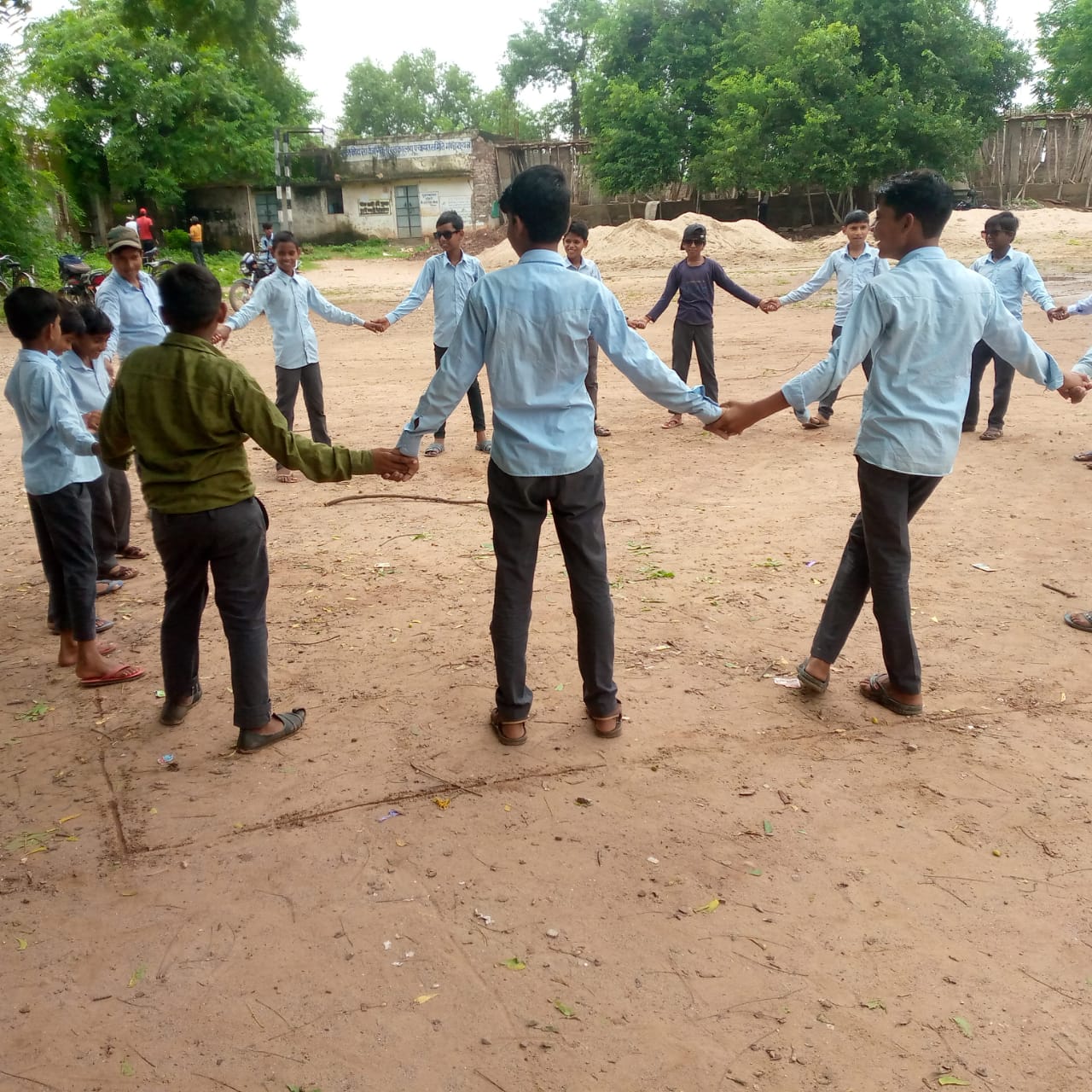
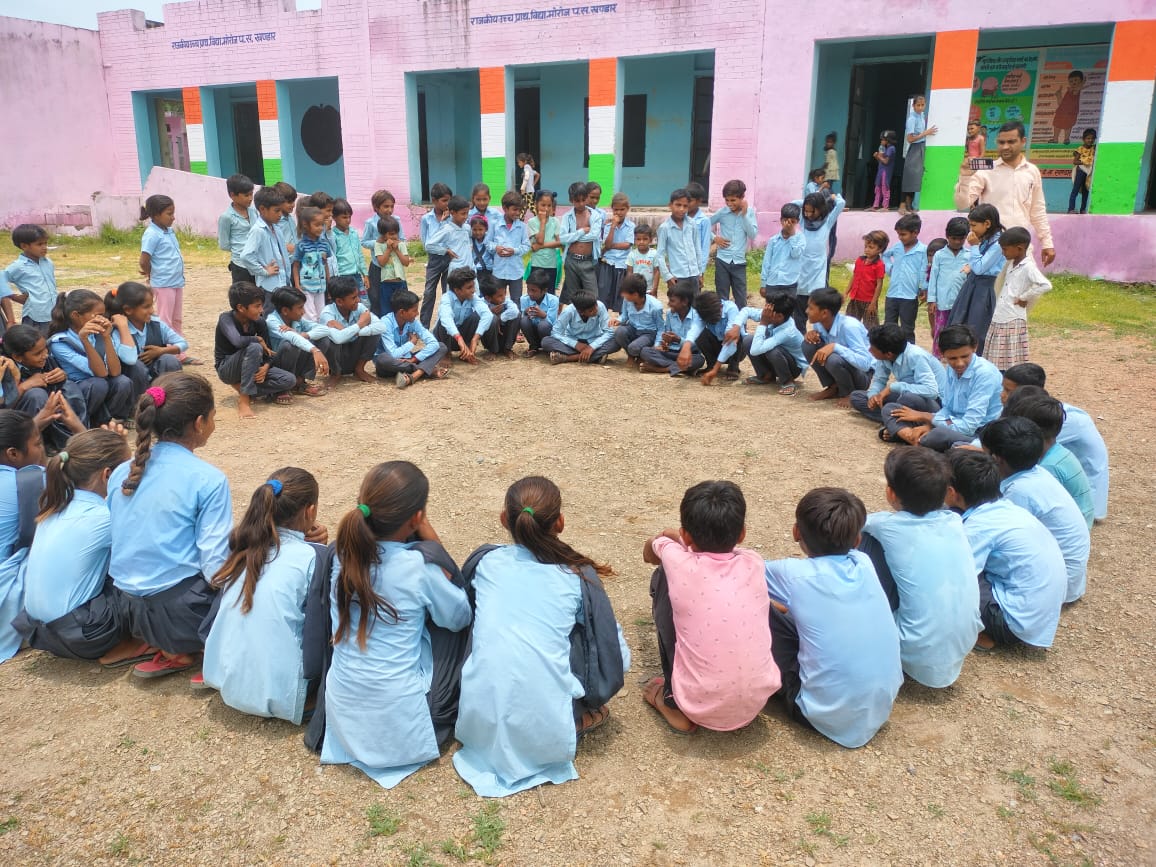
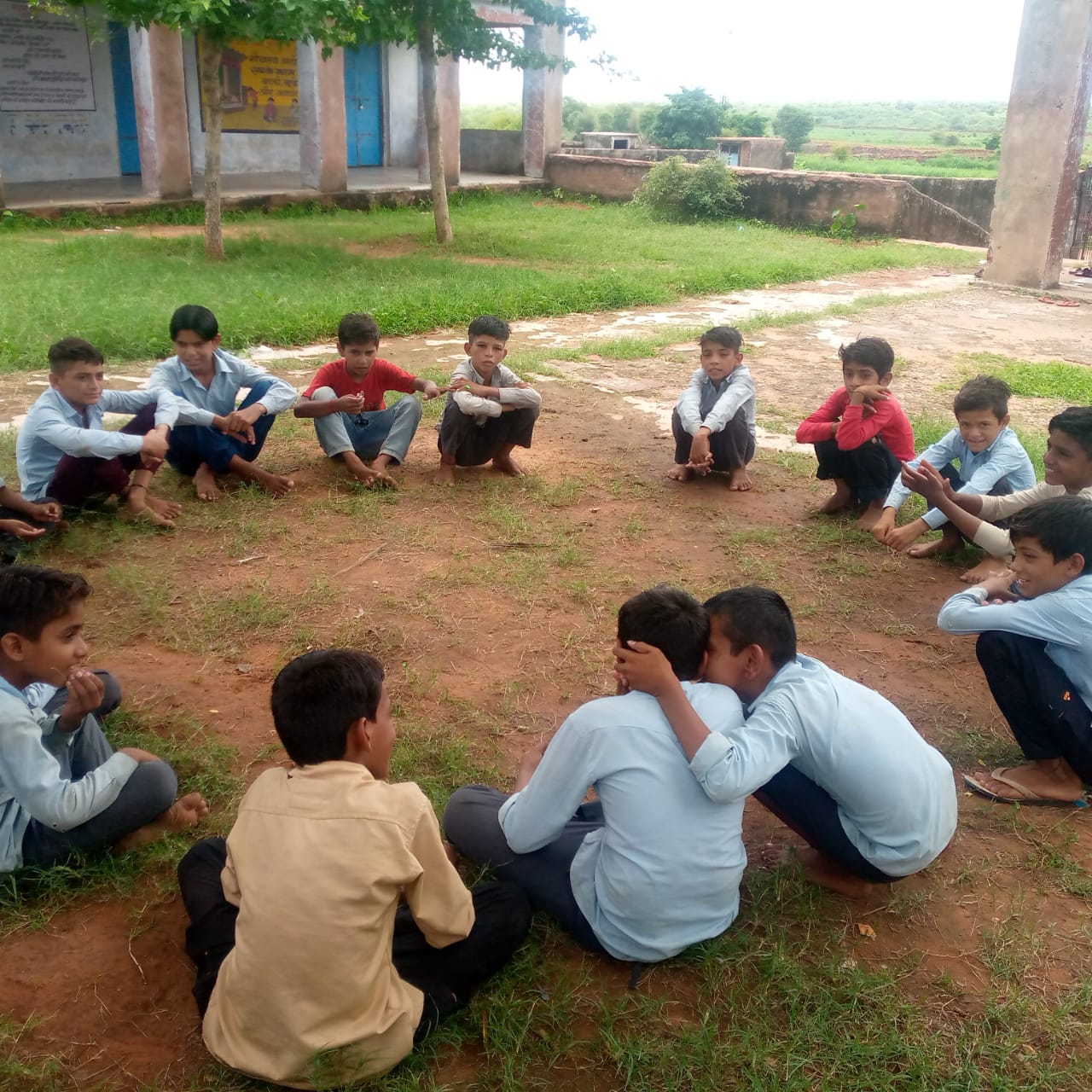
Tiger Festival (Bagh Mela), interactive talks, visual presentations, Q&A circles, nature walks, village clean-ups, youth-led clubs, seasonal campaigns, and end-line tests
Annual Activities
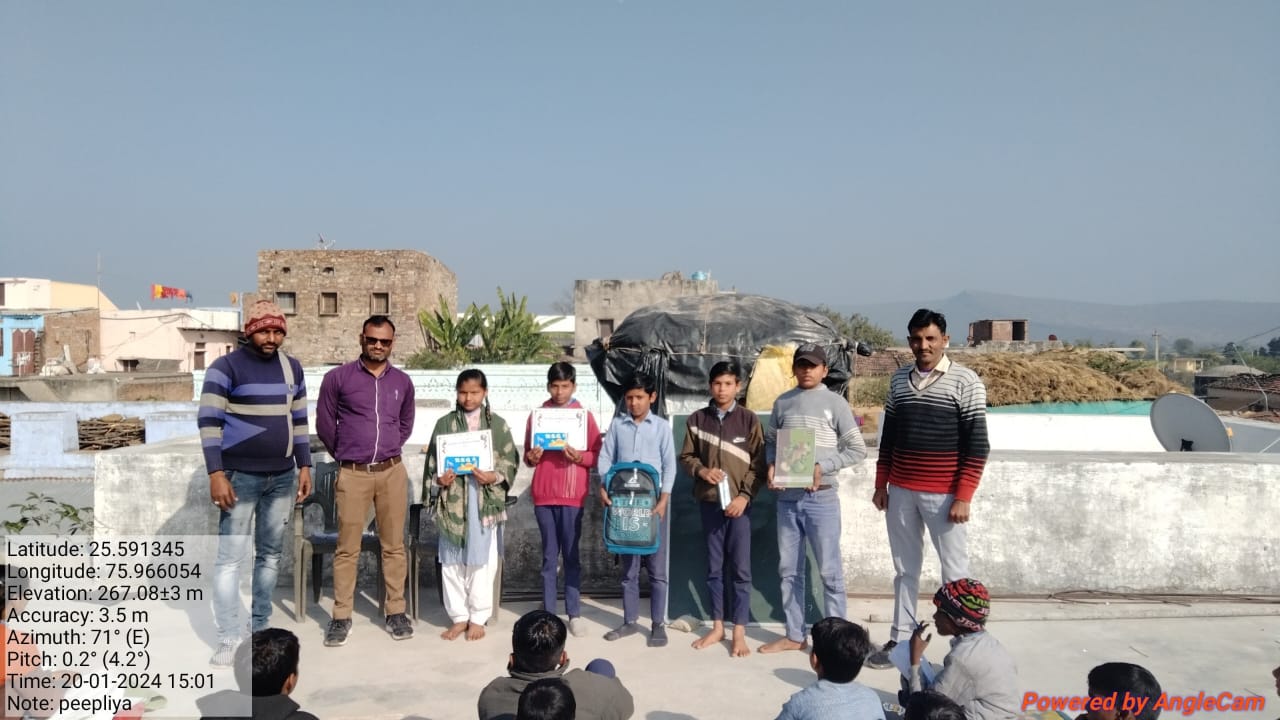
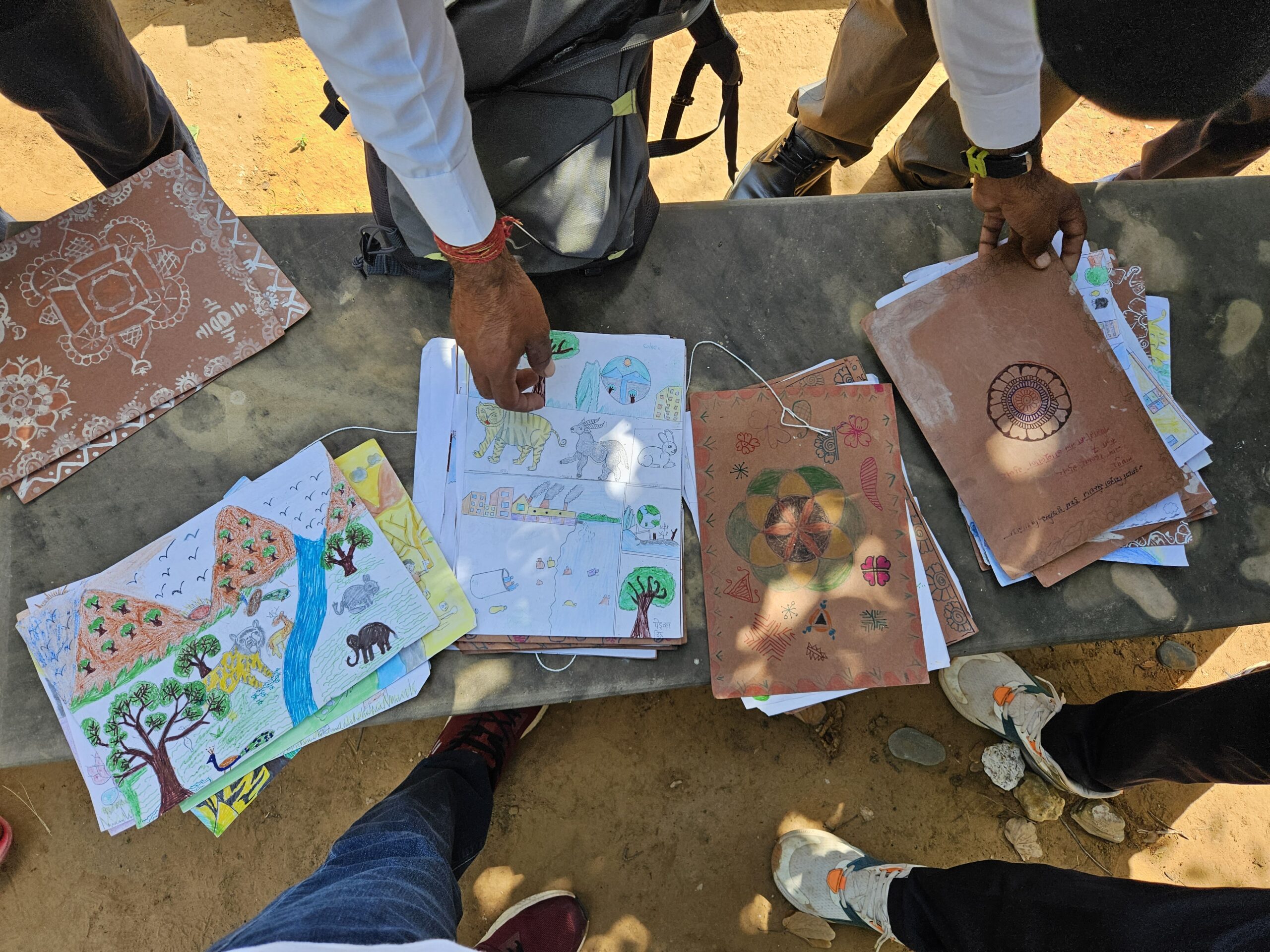
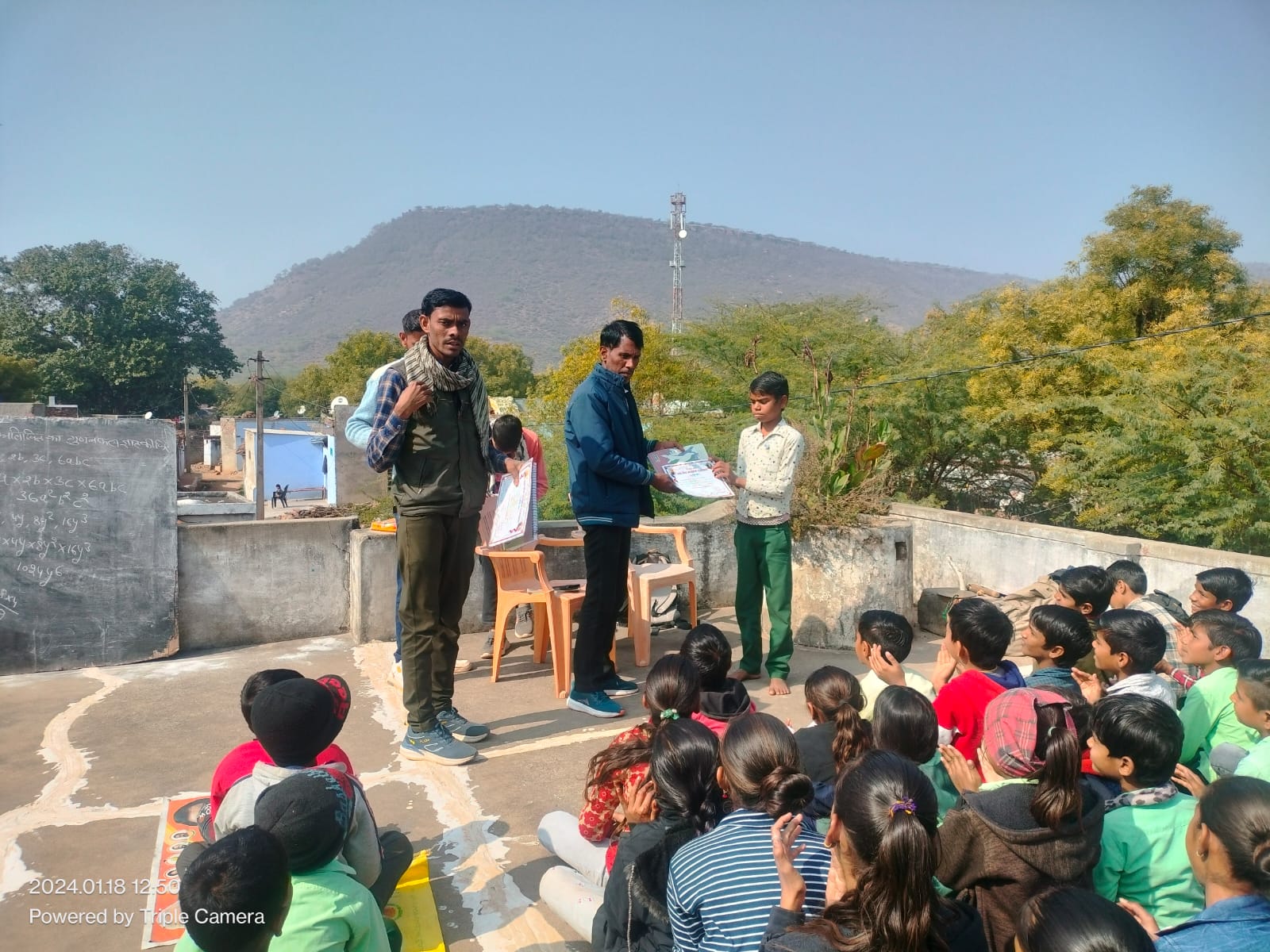
- Annual Drawing Competition: 6,000+ students participate annually from 135 schools; school-level and overall final-level awardees
- Mandana Award: Art, culture, and conservation synergy
- Annual Quiz Competition: School-level quizzes across all chapters
- Bagh Mitra Clubs: ~70 active village clubs sustaining year-round green actions
- Kanha Matki Phod: Children led summer bird-relief initiative, maintained using household waste
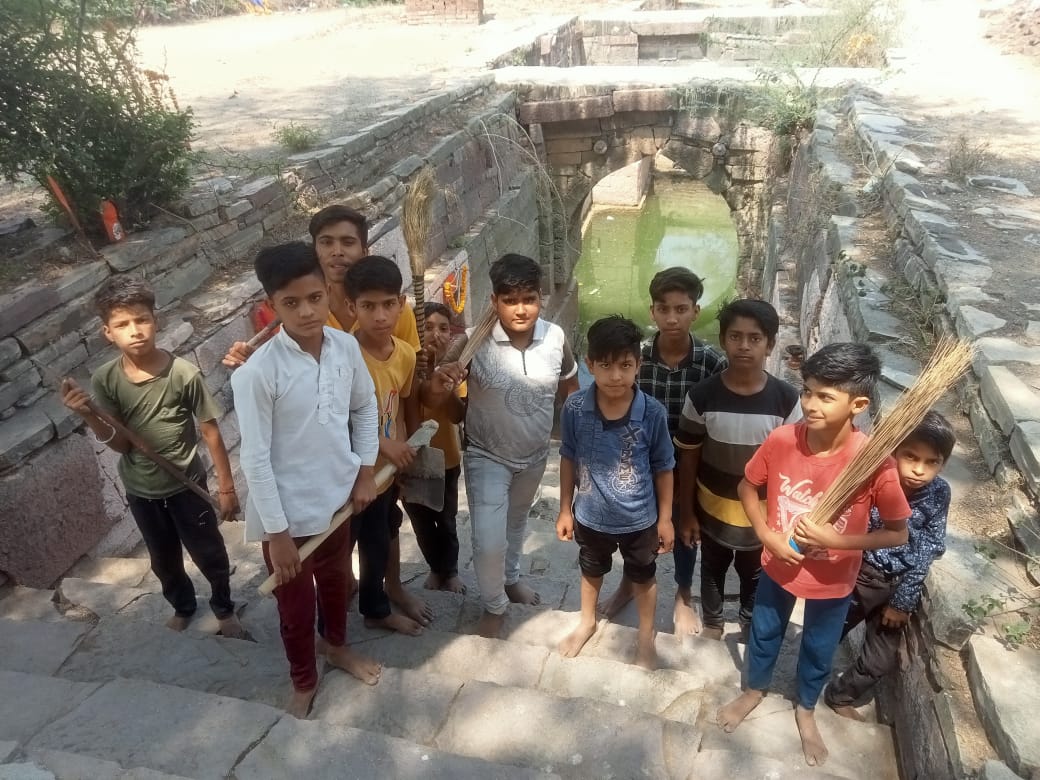
- Clean-up Drives & Nature Walks: Public-area plastic collection; guided walks on local flora/fauna
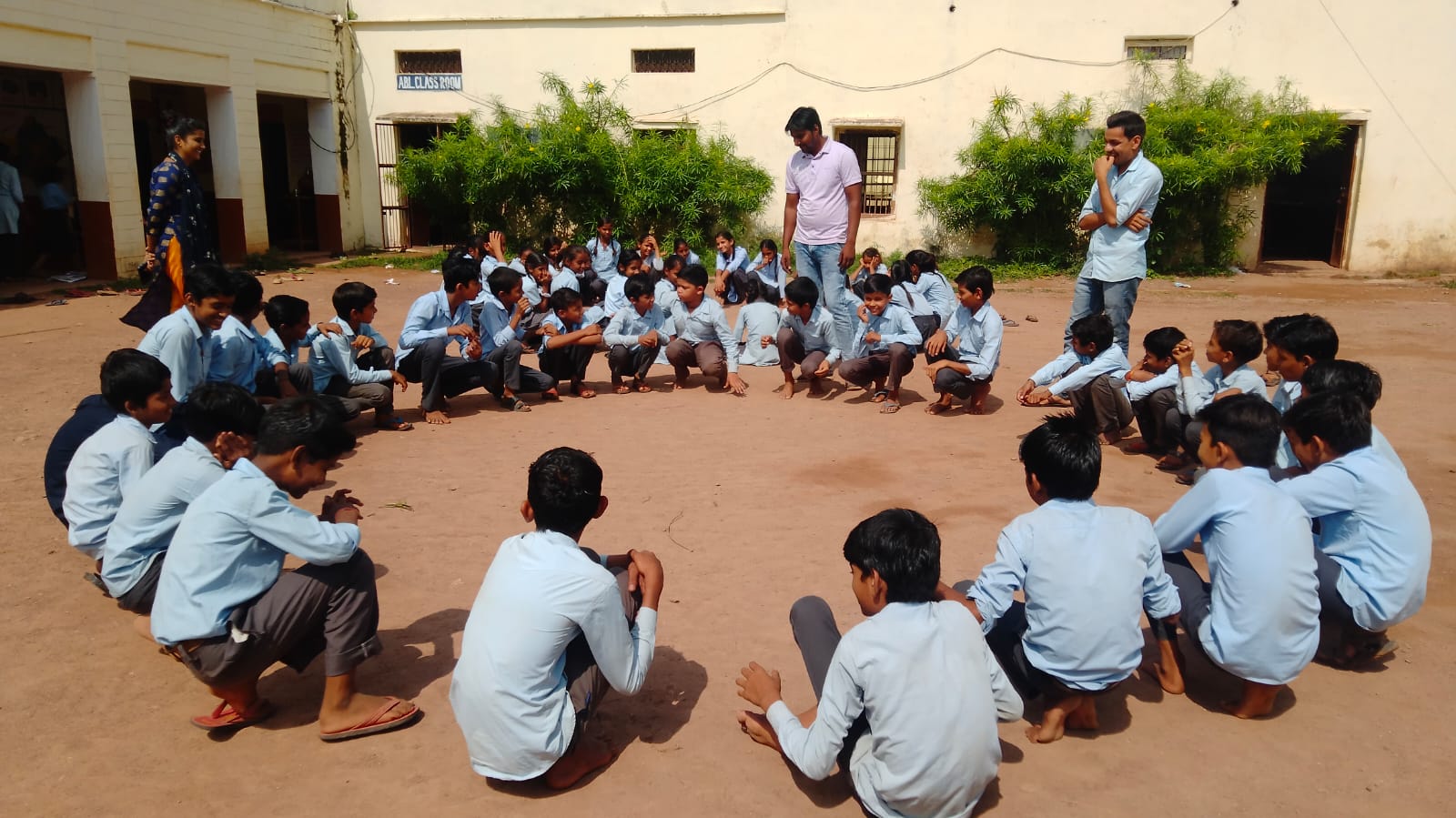
- Group Discussions: Mammal & reptile diversity, snakebite prevention, forest value
- Awareness Rallies: Conservation messaging for the community
- Seedling Nurturing: Seed collection and pre-monsoon nursery care
- Tiger Fairs (Bagh Mela): A tiger festival organised in different schools hosting different activities and awards.
- Teachers’ Workshop: Pedagogy, legacy dialogues, refresher modules
- Grass Documentation: Seasonal ecology & fodder cycles (community learning)
- Museum Visits: Contextualising biodiversity through exhibits
- Expert Talks: Teachers get to interact with veteran conservationists.
Project Locations
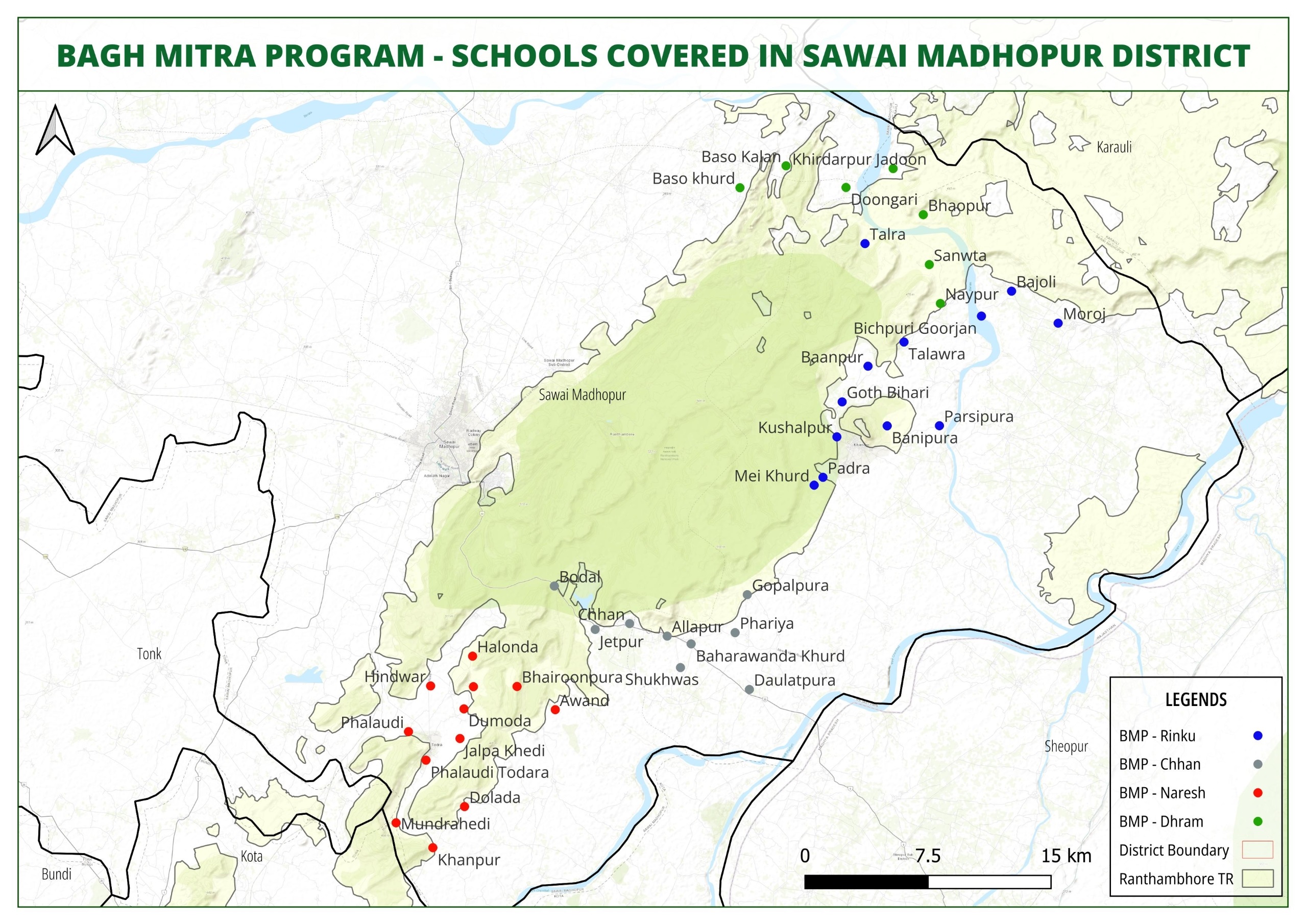
Project villages in Sawai Madhopur, supported by the Dieter & Liz Gutmann Tiger Conservation Program
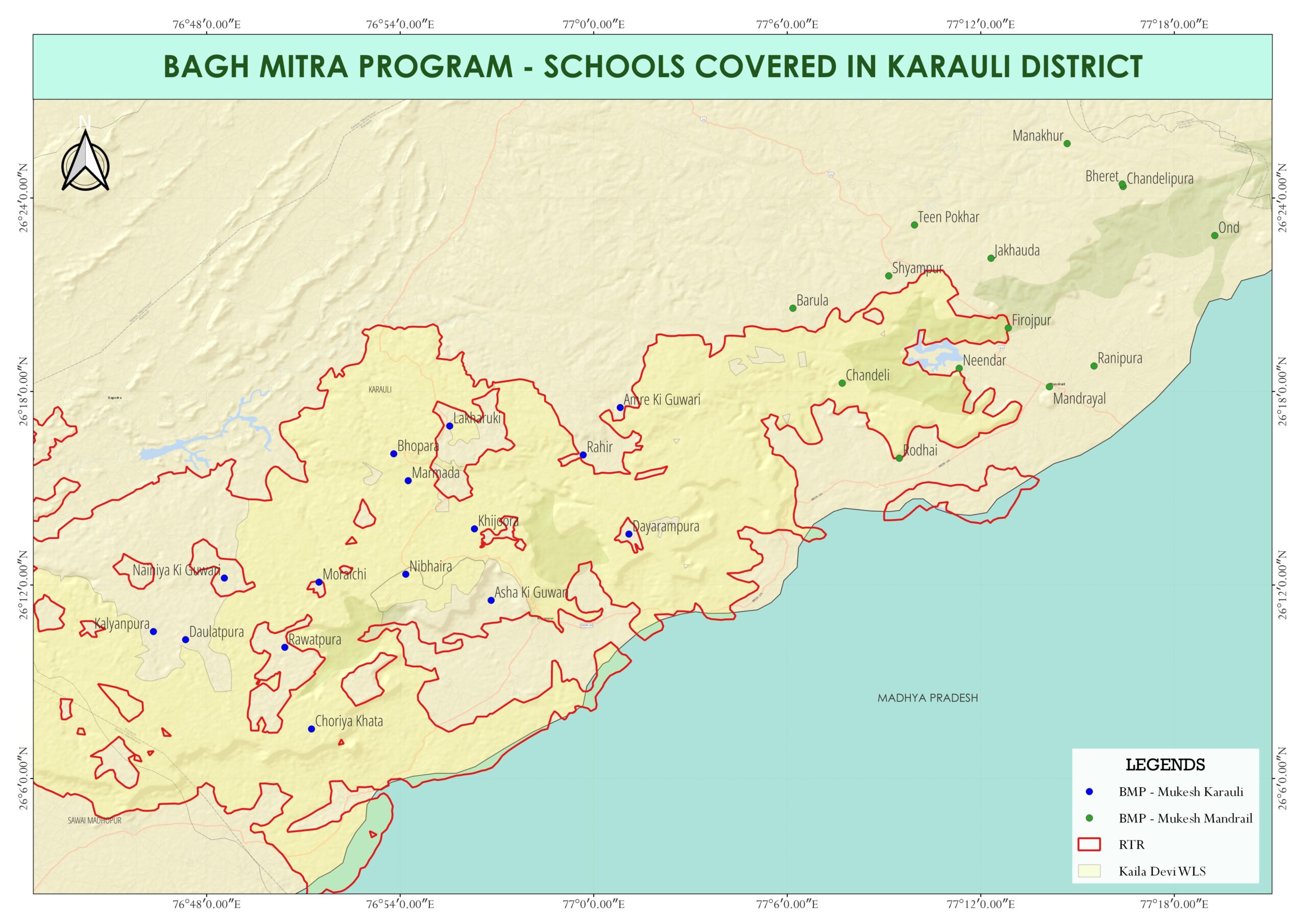
Project Villages in Karauli supported by Petronet LNG Ltd.
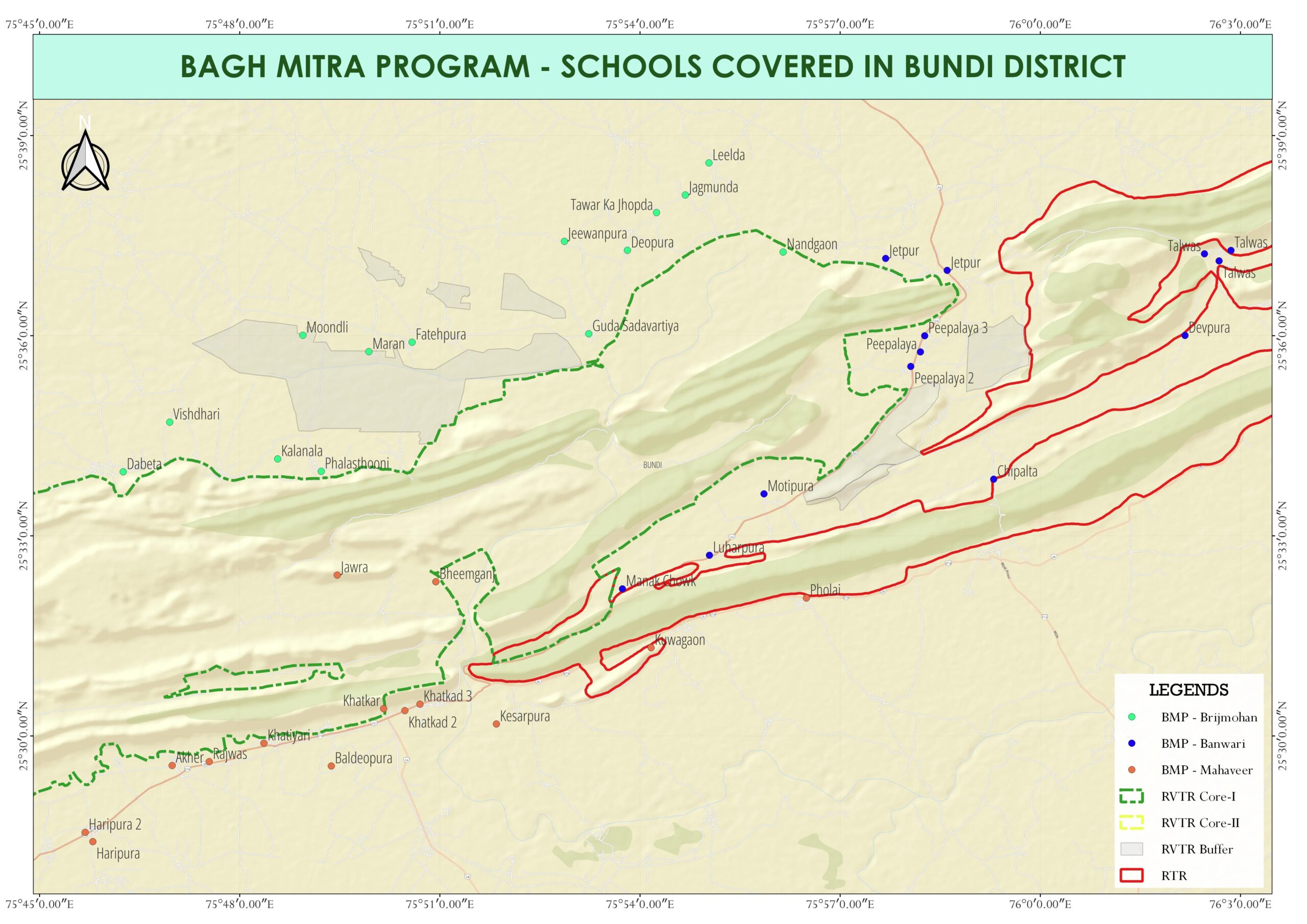
Project Villages in Bundi supported by Petronet LNG Ltd.
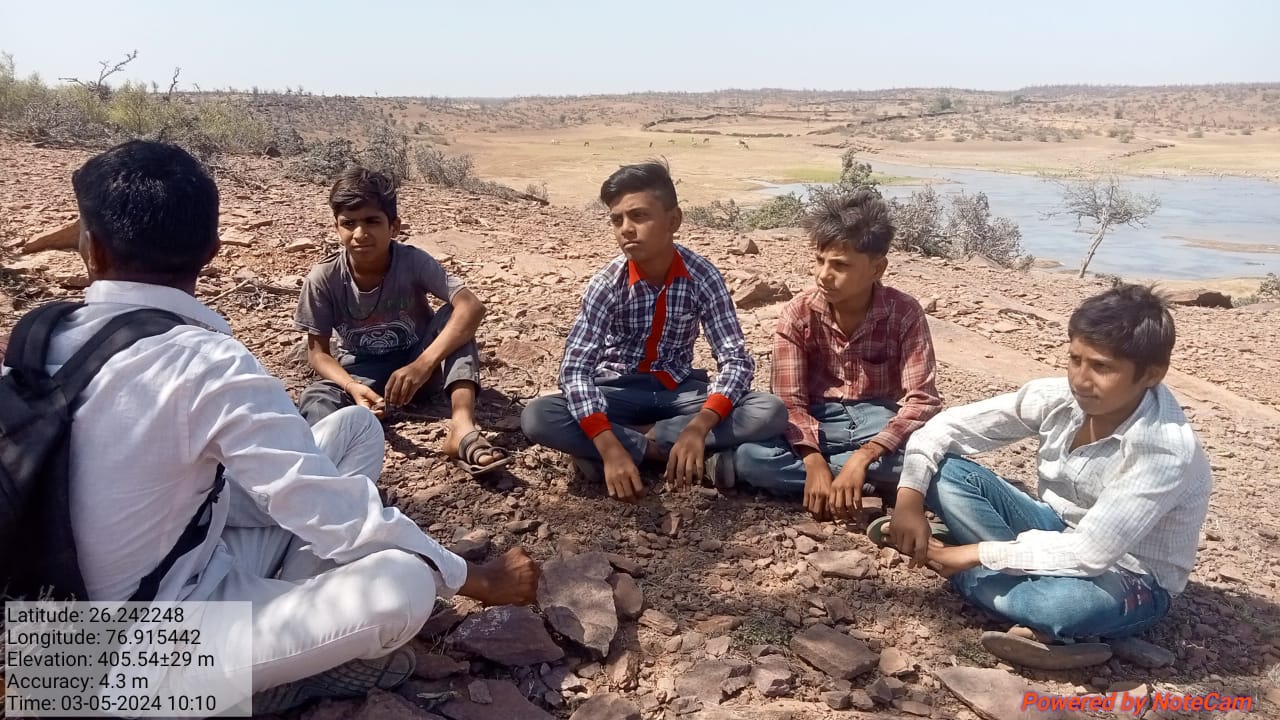
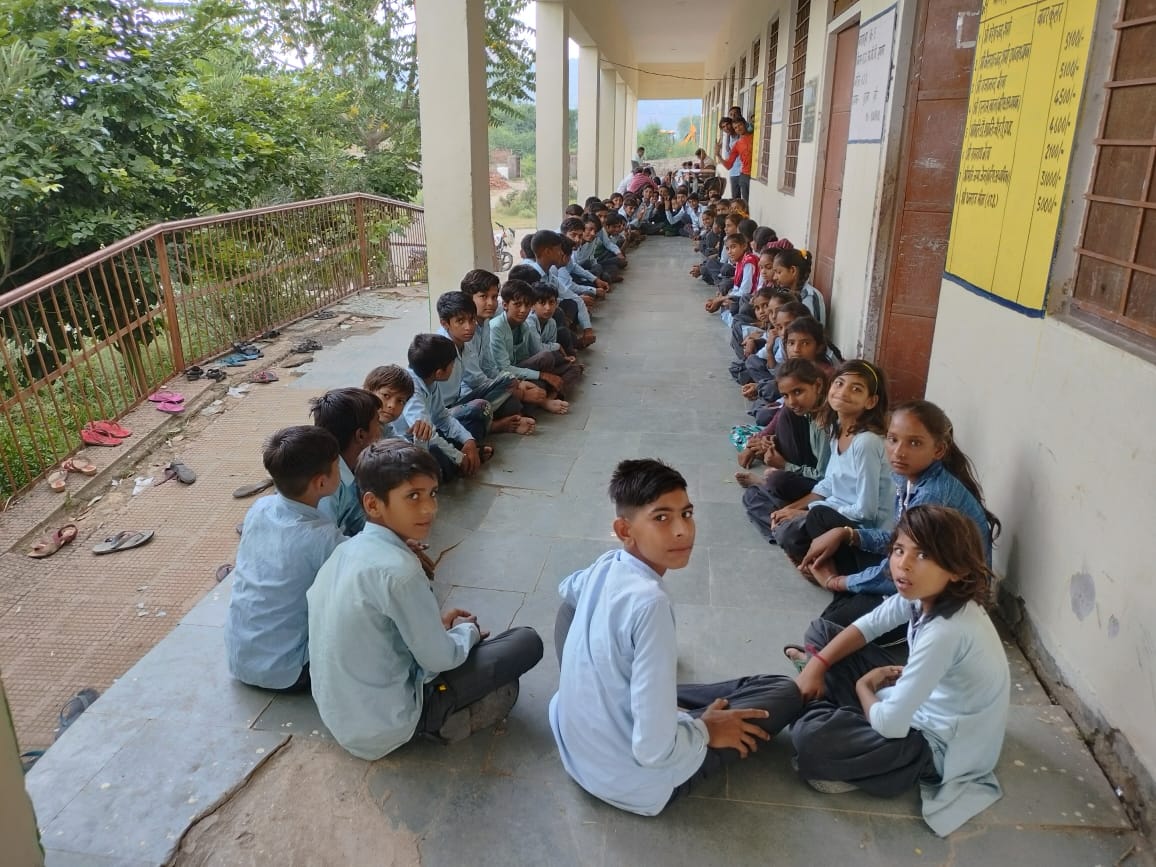
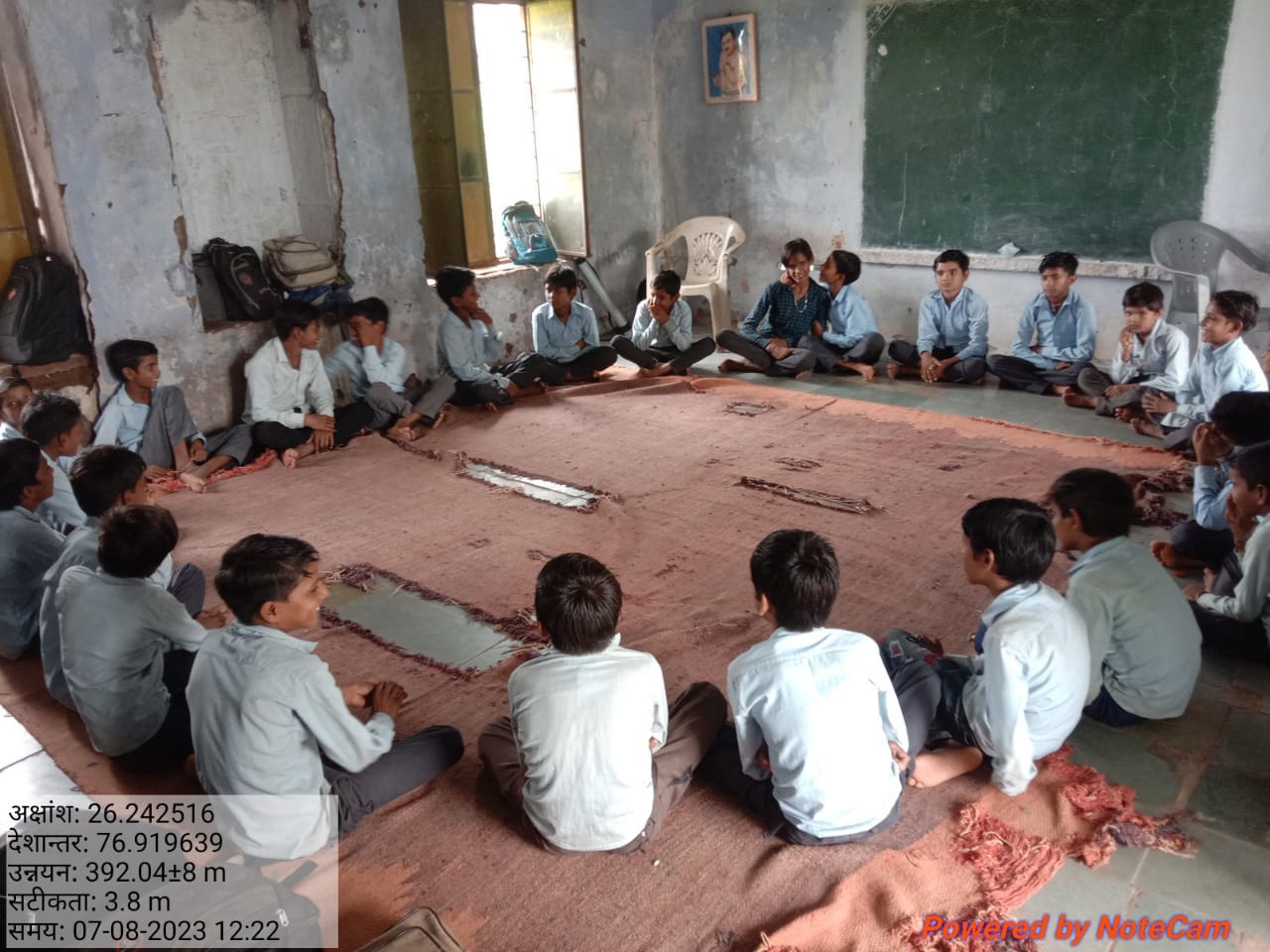
Bagh Mitra Program Gallery
Reports
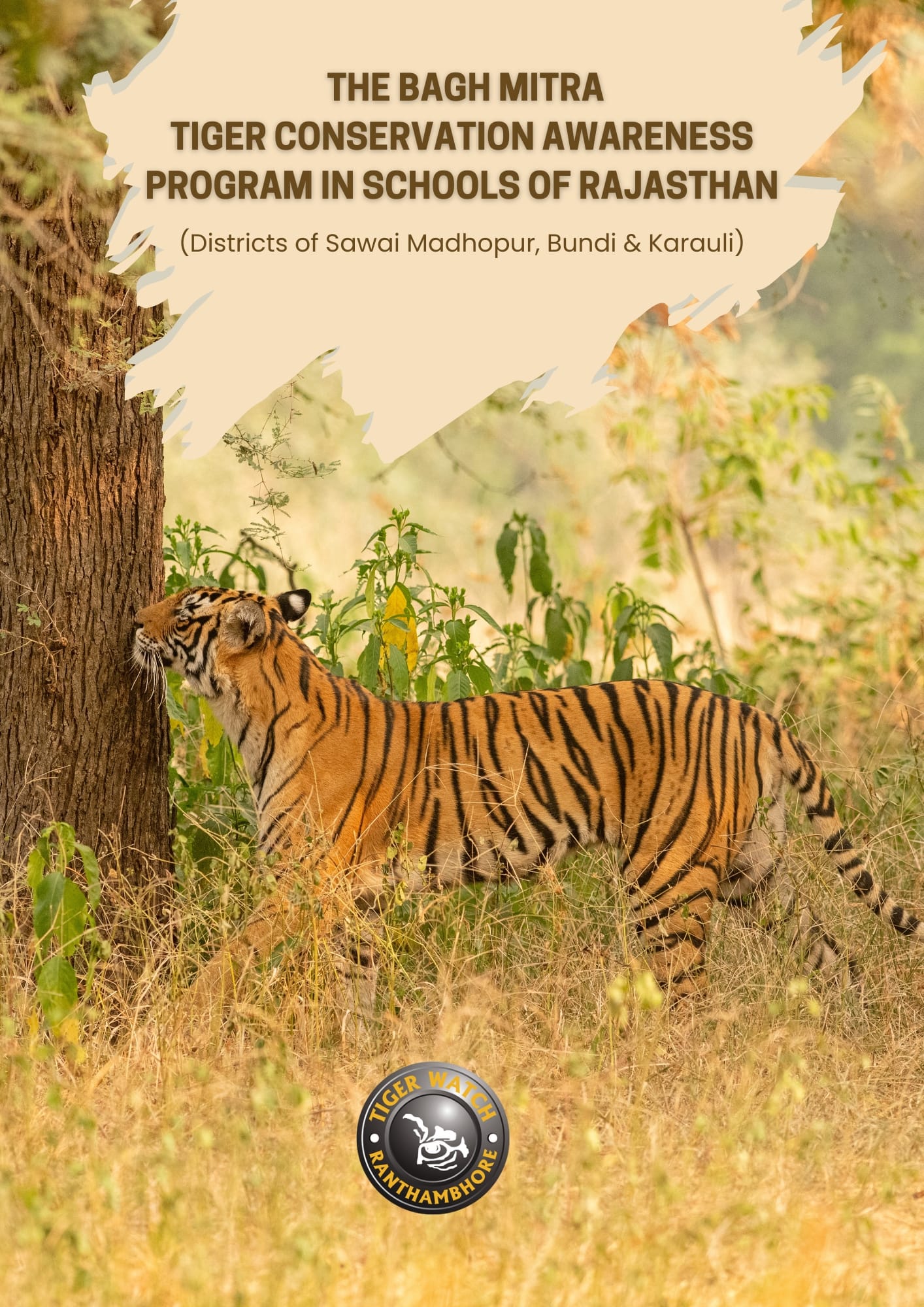
Key Highlights of 2024–25
Conservation Education:
73 Bagh Mitra Clubs were established, involving students and villagers in activities like clean-up drives, bird feeding, and conservation discussions.
Classroom sessions covered 15 environmental topics, including biodiversity, tiger conservation, water conservation, and ecosystem awareness.
Community Engagement:
8 Bagh Melas (Tiger Fairs) were organized, attracting 300-500 participants per event through exhibitions, quizzes, and wildlife-themed competitions.
Over 6,500 students participated in drawing competitions and 2,500 in Mandana art competitions, promoting conservation through creativity.
Teachers underwent specialized training on biodiversity, field techniques, and interactive teaching methods.
Impact & Achievements:
1,000 bird water feeders were installed to aid avian conservation.
1000+ native plants were nurtured and distributed for reforestation efforts.
Nature walks, heritage site visits, and interactive conservation games were integrated into school activities.
With growing community participation, the Bagh Mitra Program continues to strengthen conservation awareness and sustainable practices, ensuring a lasting impact on Rajasthan’s biodiversity.
For more details, download the complete report.
Supported By


Address:
Maa Farm,
Ranthambhore Road,
Khilchipur, Sawai
Madhopur, Rajasthan,
India - 322 001
Phone: (+91) 90015 07777