
Bagh Mitra School Development Program
When the Forest's Neighbours Are Valued, the Forest Survives.
Children growing up alongside tigers deserve schools that reflect their worth. Through the Bagh Mitra School Development Program, Tiger Watch transforms neglected rural schools into safe, functional, and inspiring learning environments.
Where Conservation Meets Education
Ranthambhore is one of India’s greatest conservation success stories — but its future does not depend on forests alone. It depends on the communities that live beside them. In hundreds of villages around the reserve, children grow up in close proximity to wildlife. Their understanding, attitudes, and opportunities will ultimately shape the future of coexistence.
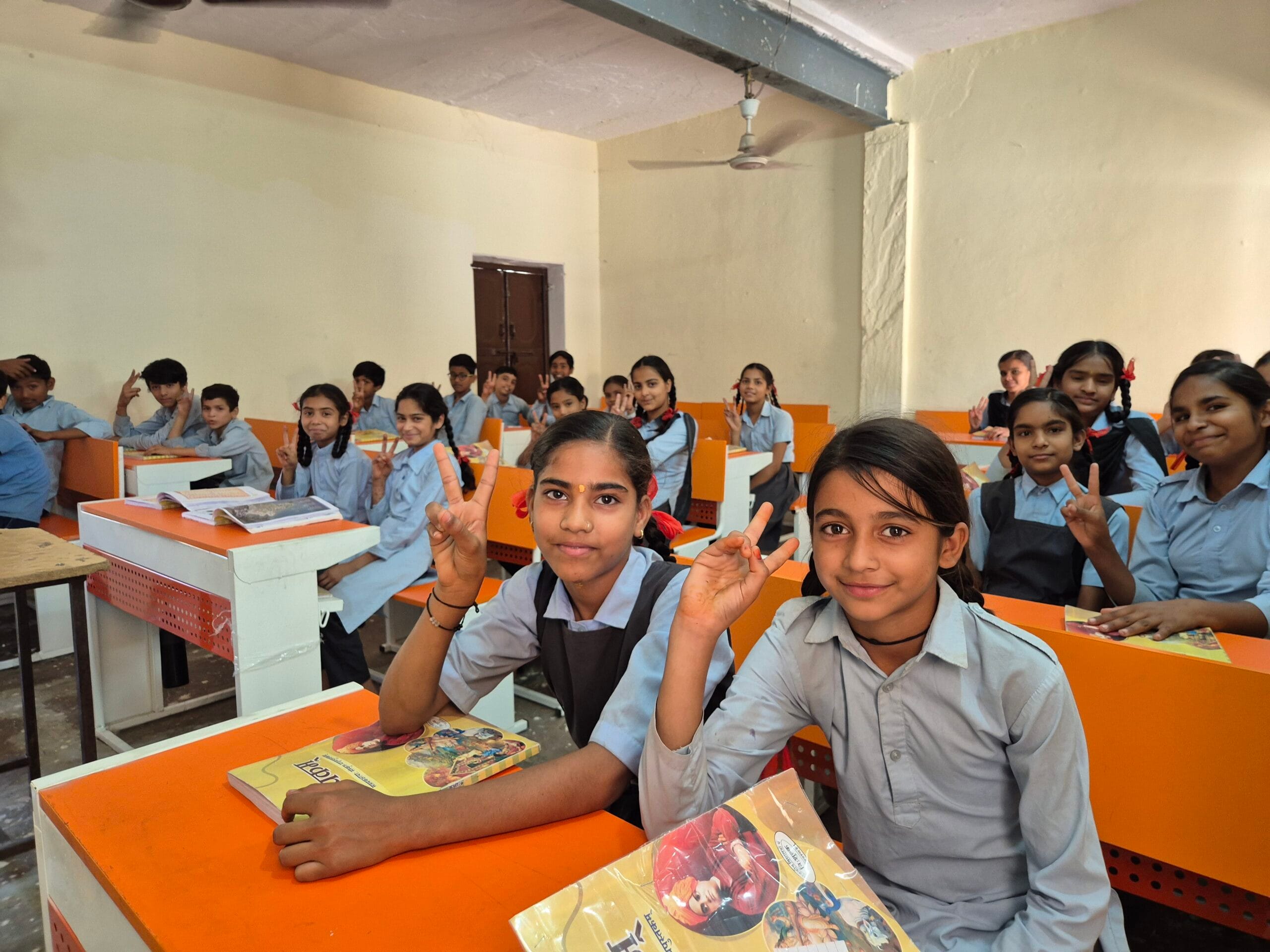
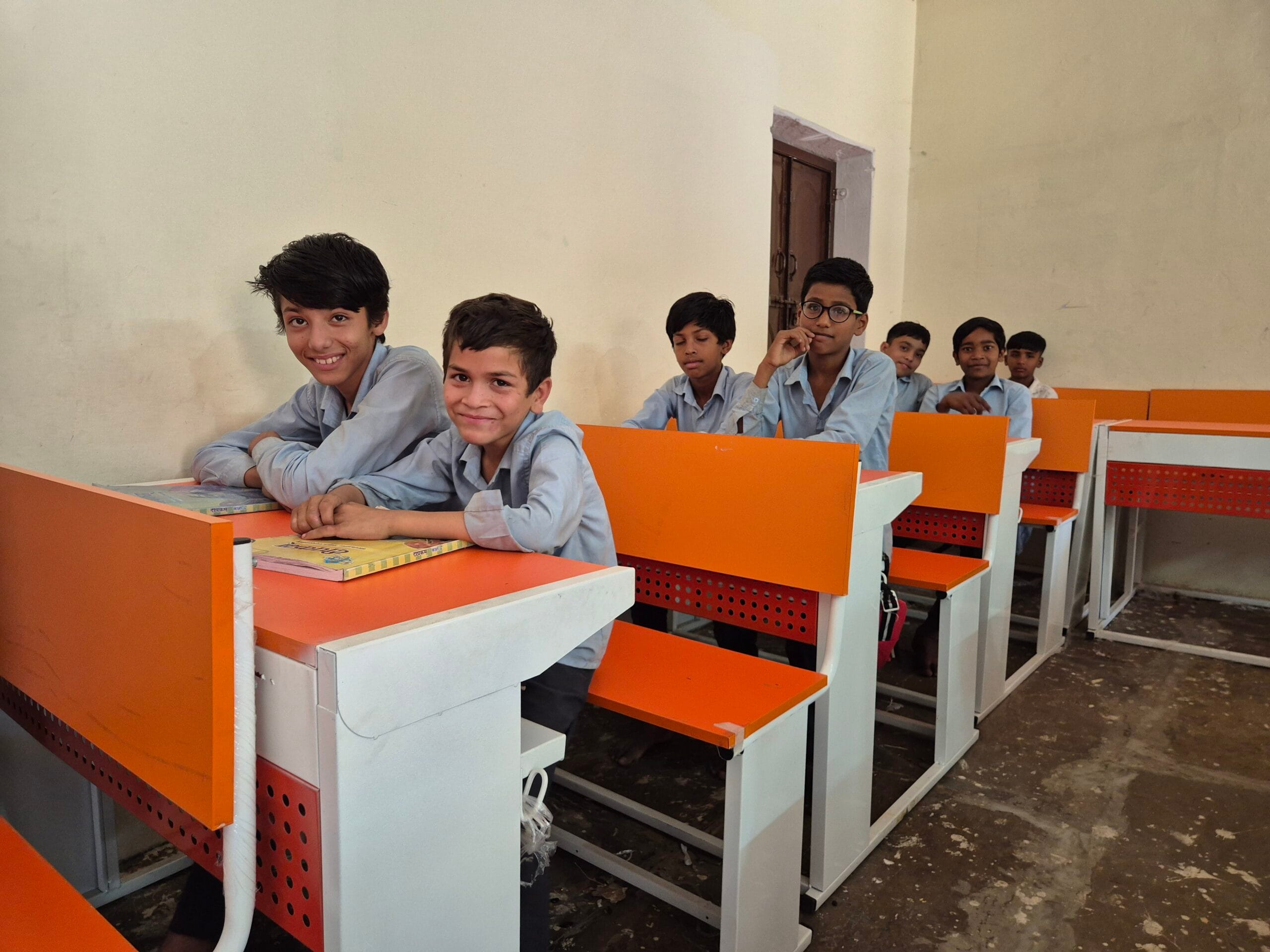
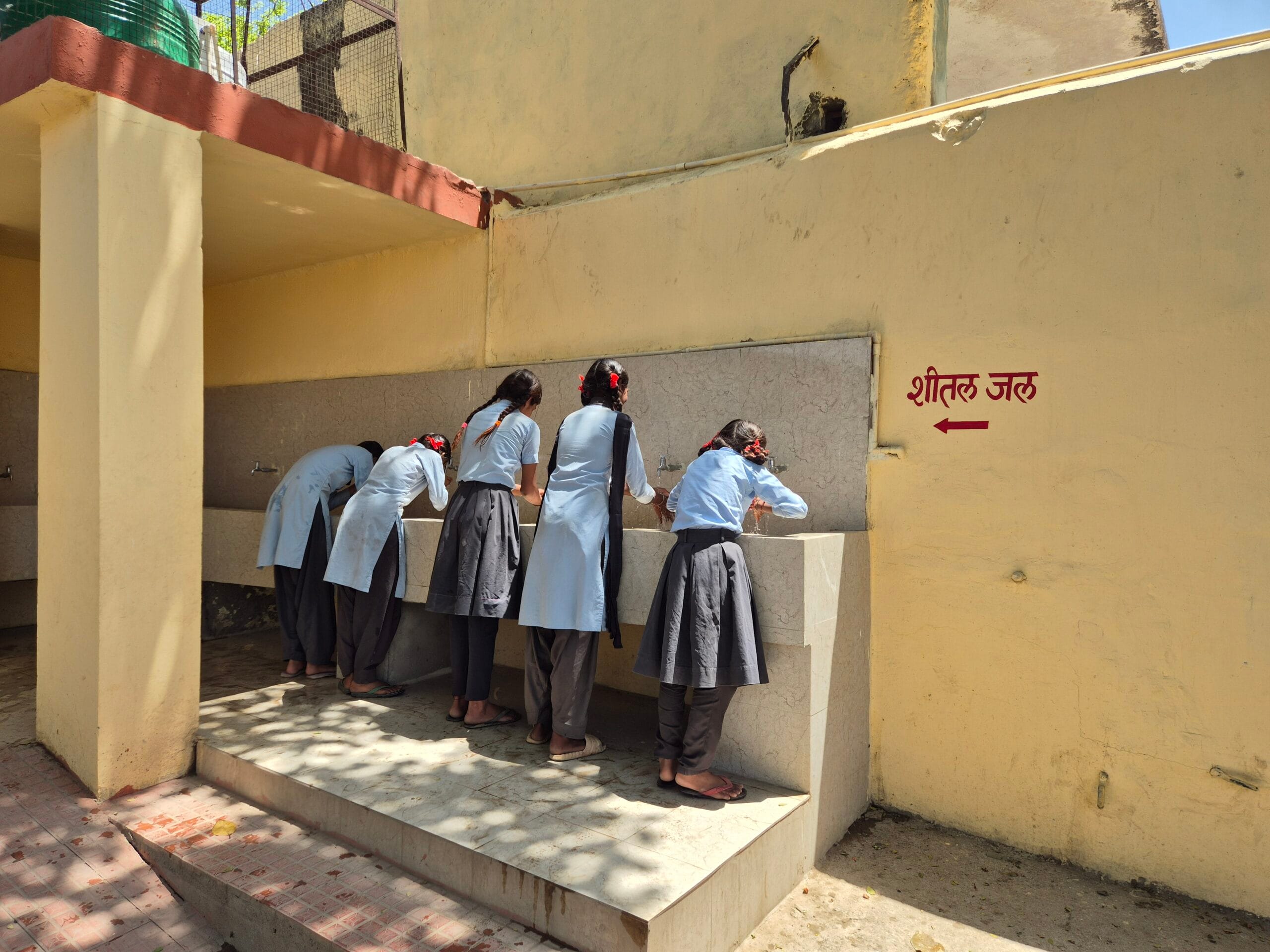
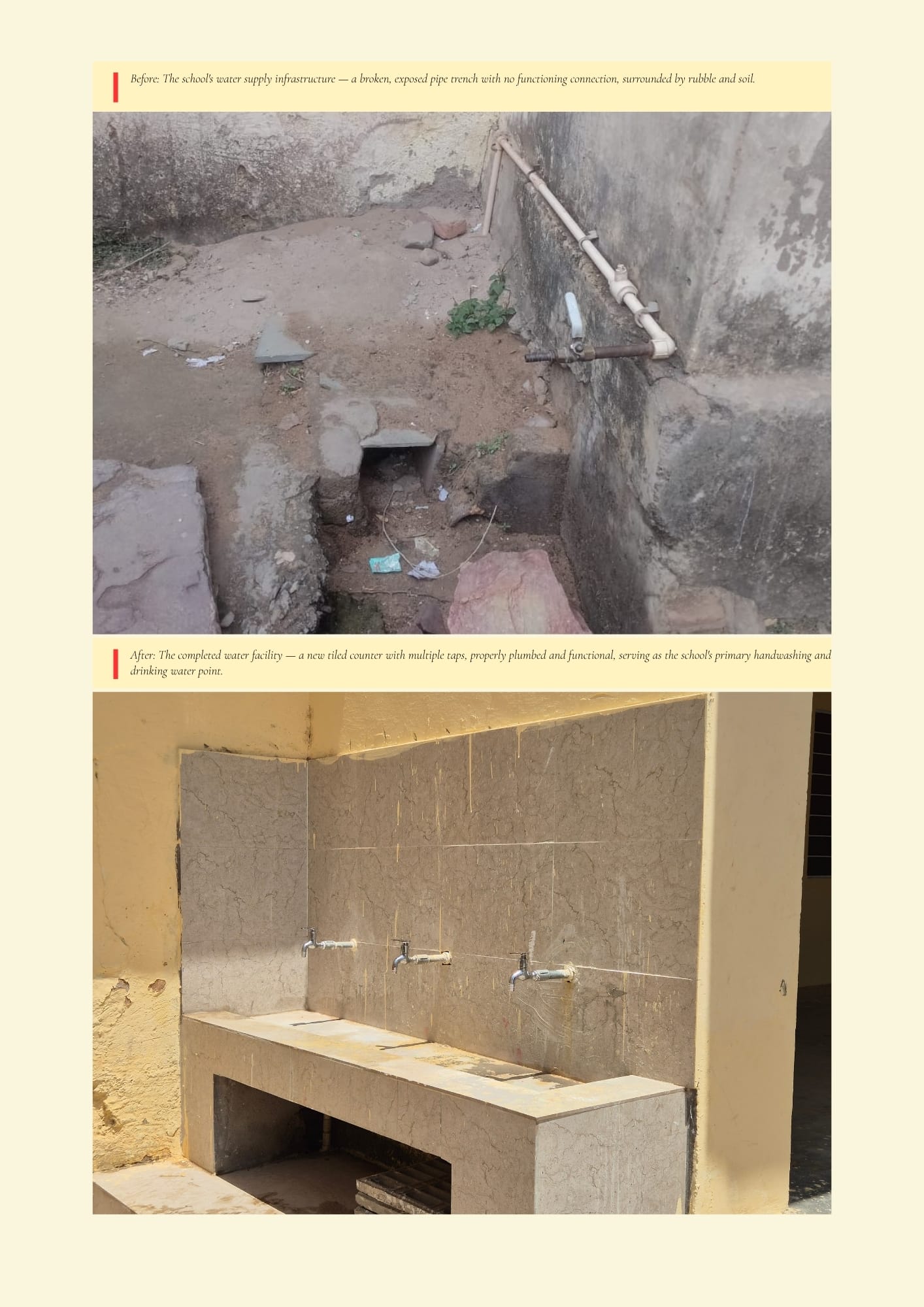
Yet, many of their schools lack the most basic infrastructure — unsafe classrooms, no water, broken sanitation, and no space to learn with dignity.
"Conservation cannot succeed where education fails."
This program exists to change that.
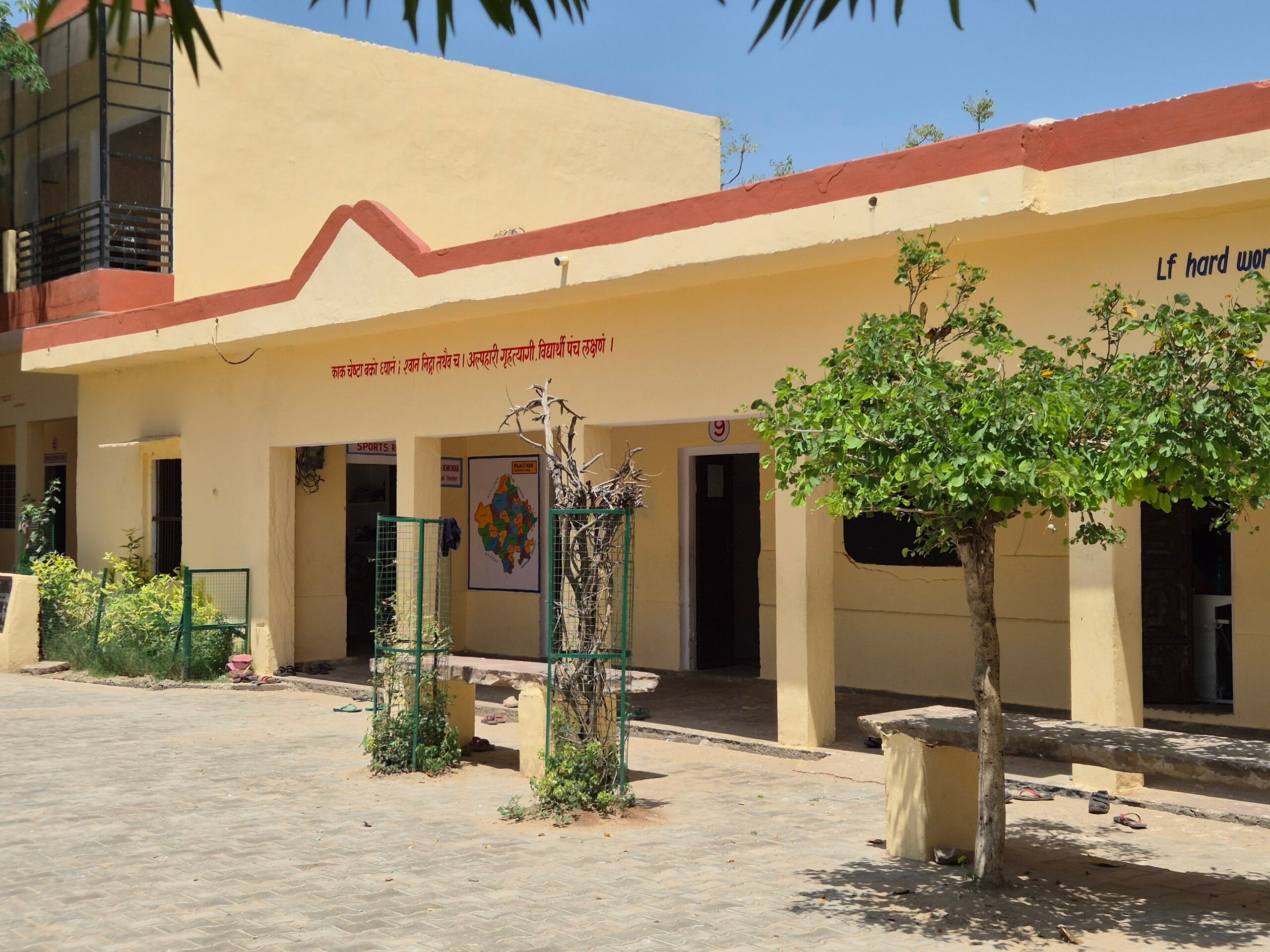
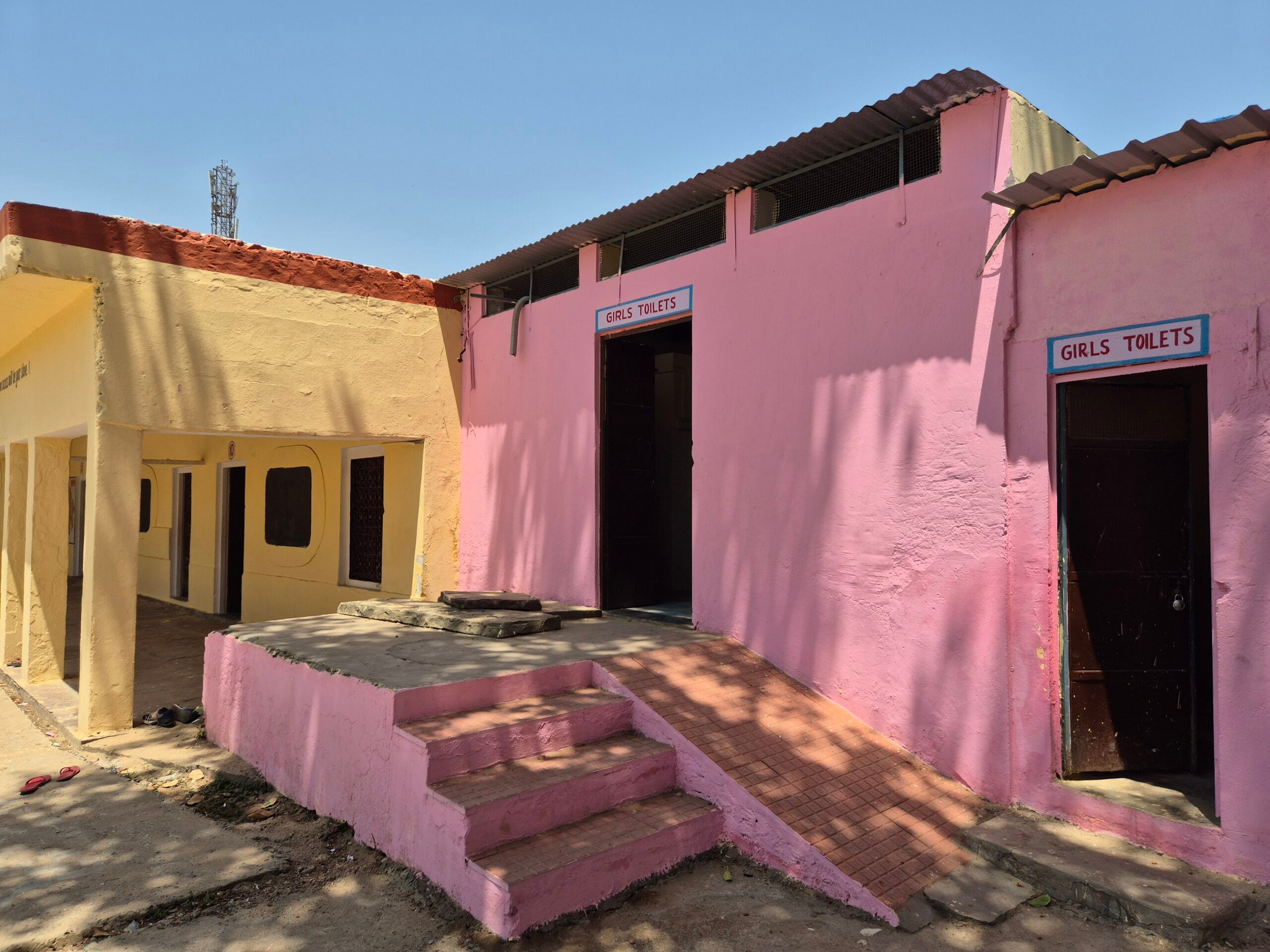
A Simple Realisation
Over years of working in schools through the Bagh Mitra programme, one truth became clear:
A child sitting on a broken floor, in a dark classroom, cannot meaningfully engage with conservation.
Before awareness comes dignity.
Before conservation comes trust.
Improving schools is not charity — it is strategy.
THE ORIGIN OF THE BAGH MITRA
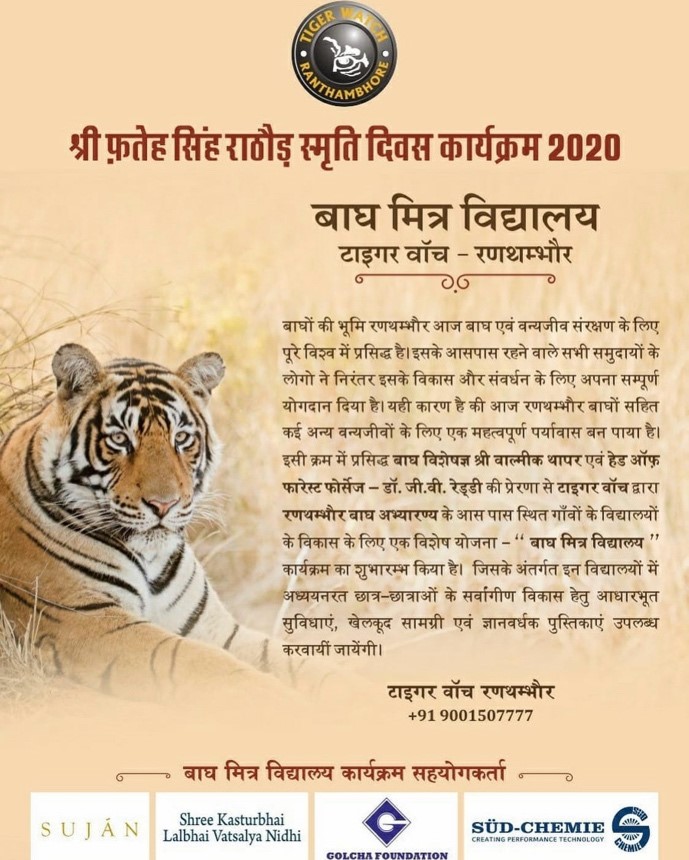
The Bagh Mitra Conservation Education Programme was originally conceptualised under the vision of Dr. G. V. Reddy, then Principal Chief Conservator of Forests, Rajasthan, and Shri Valmik Thapar — one of India's foremost tiger conservationists. The programme was conceived in recognition of a fundamental truth: that long-term wildlife conservation outcomes are inseparably linked to the attitudes, understanding, and participation of local communities, particularly the younger generation growing up in close proximity to protected areas.
In its earliest form, the programme focused on delivering basic educational support and conservation-oriented learning material to schools surrounding Ranthambhore. Over time, as the programme grew, it became evident that one-time material support was insufficient. A structured, long-term conservation education initiative was needed — one that could contextualise wildlife conservation within the everyday realities of rural communities living alongside tigers. Tiger Watch took on the stewardship of this vision and has embedded it within a coherent programme framework that now reaches 135 schools across three districts.
SCALE & EXPERIENCE
Since its formalisation in 2020, Tiger Watch has provided structured school support to 20 government schools across the Ranthambhore landscape. These interventions have ranged from furniture provision to infrastructure repair, each tailored to the specific needs identified through direct school visits and stakeholder consultation.
Prior to the formal programme, Tiger Watch had already demonstrated this commitment through individual school support initiatives: providing furniture to Kutlpura village school in 2014–15; supplying an inverter to Sherpur school in 2018–19 to ensure uninterrupted learning during power cuts; and contributing to boundary wall repair at Sherpur school in 2024–25. These were not one-off gestures — they reflected a consistent philosophy that educational infrastructure and conservation education are two sides of the same investment.
WHAT WE DO
Each school is transformed through a structured, need-based approach:
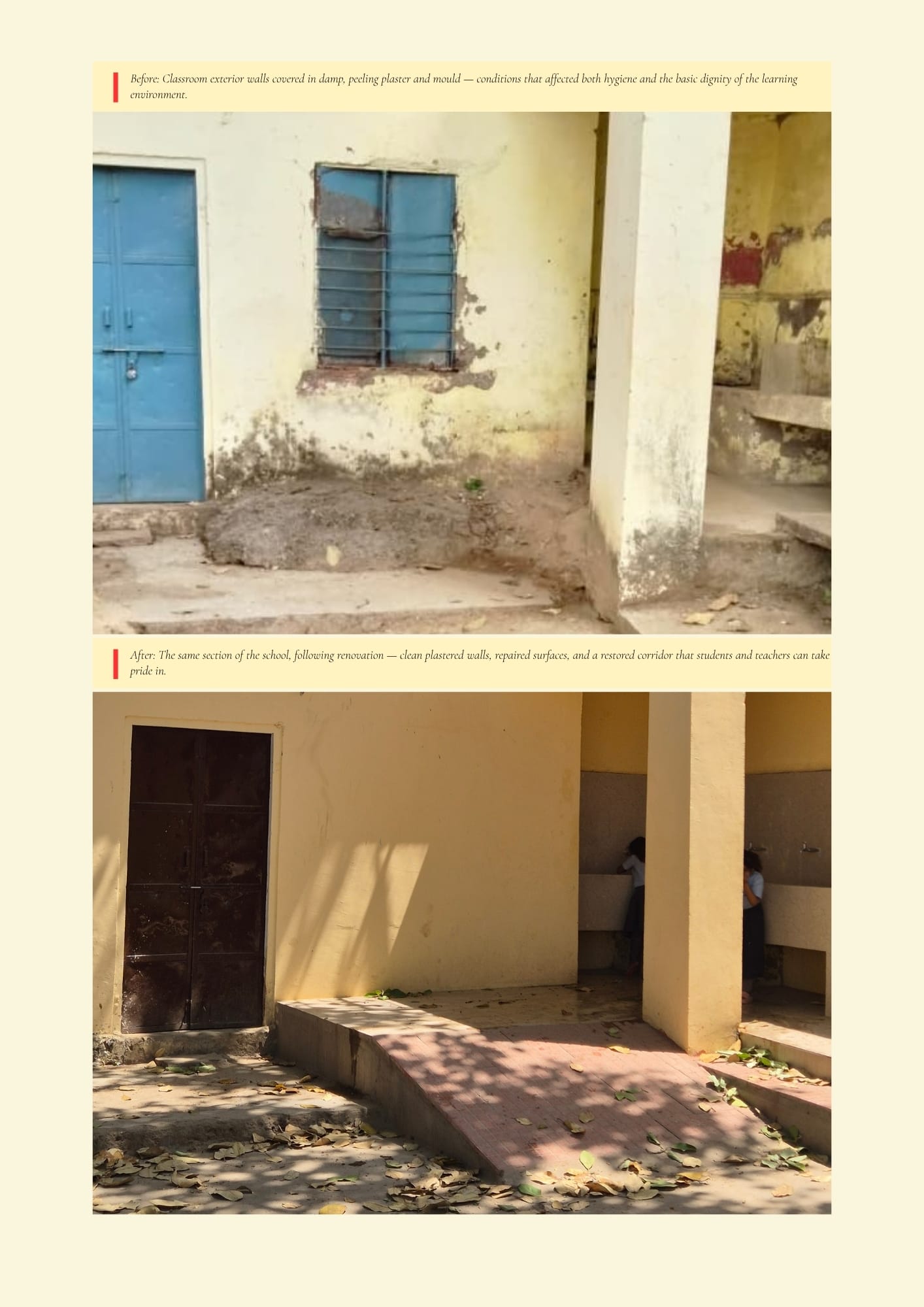
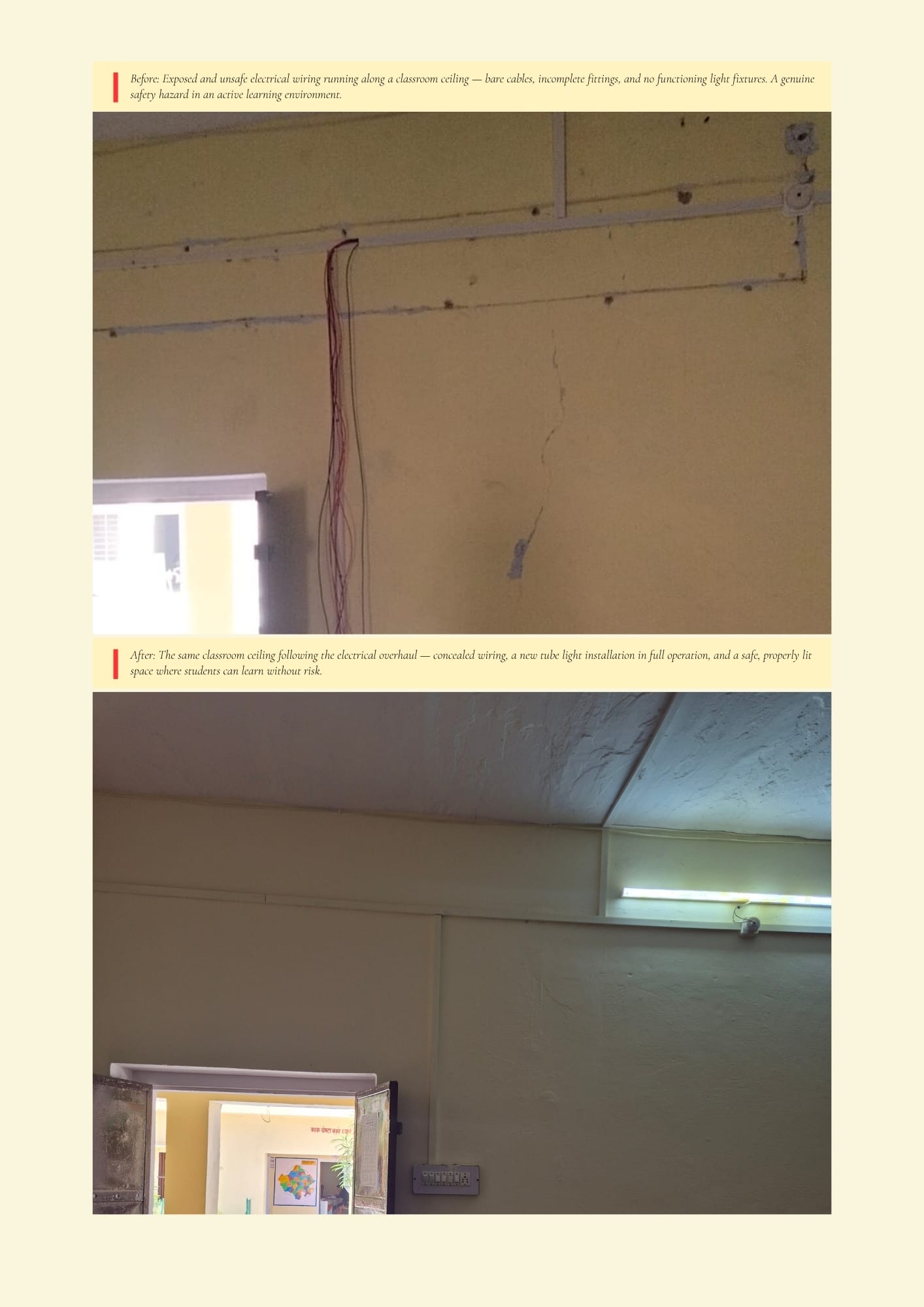
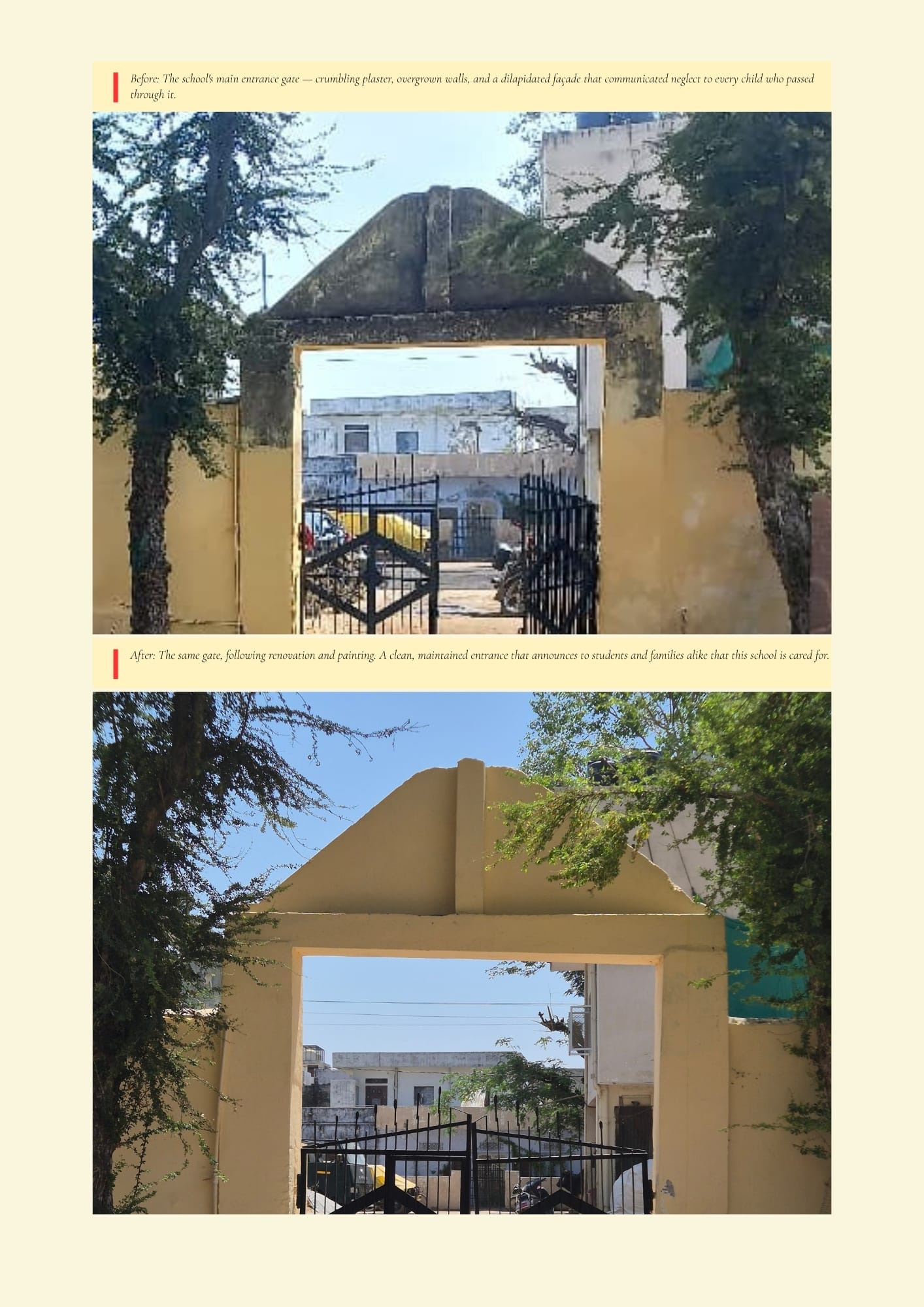
- Infrastructure Repair — safe electrical systems, renovated buildings
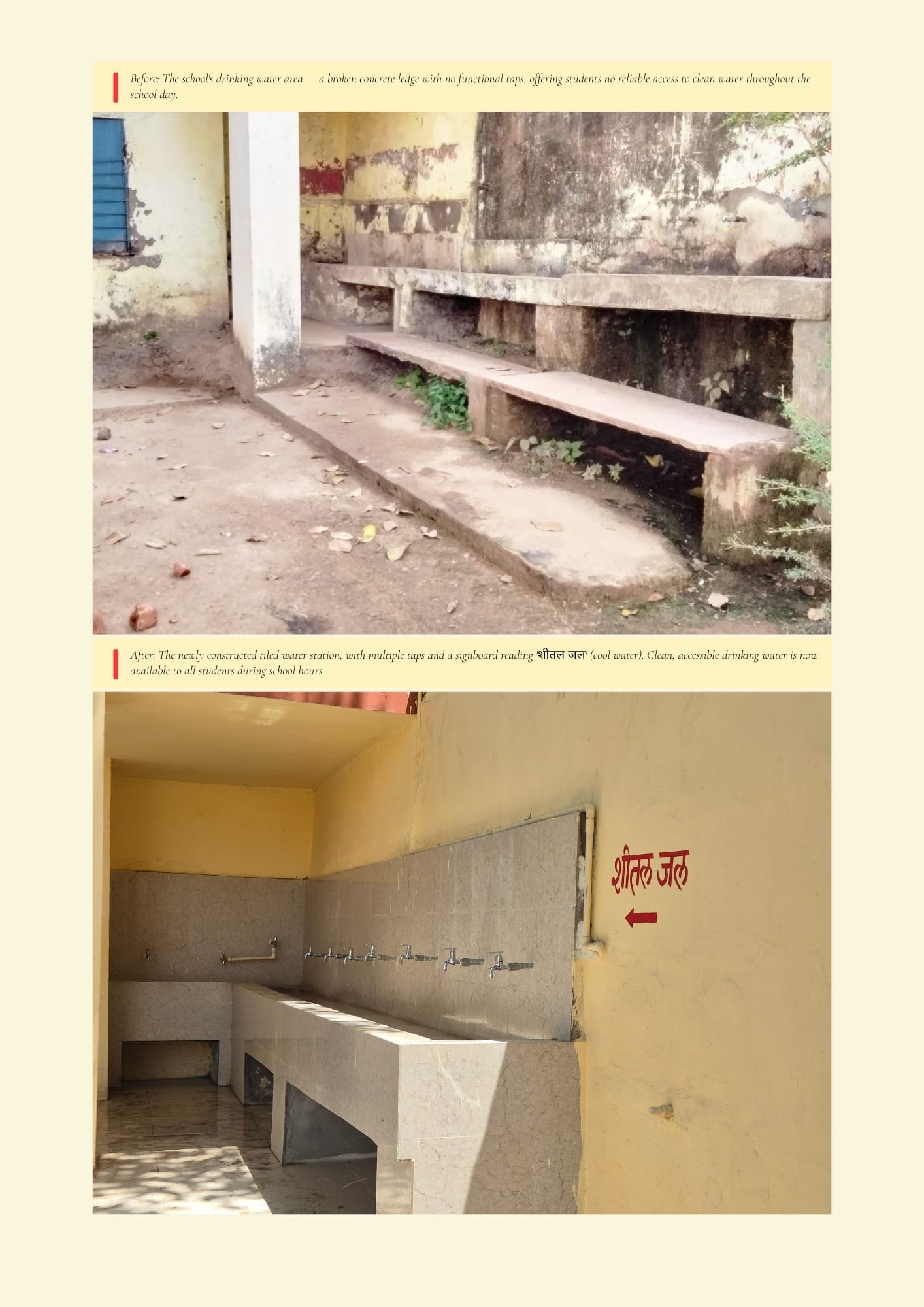
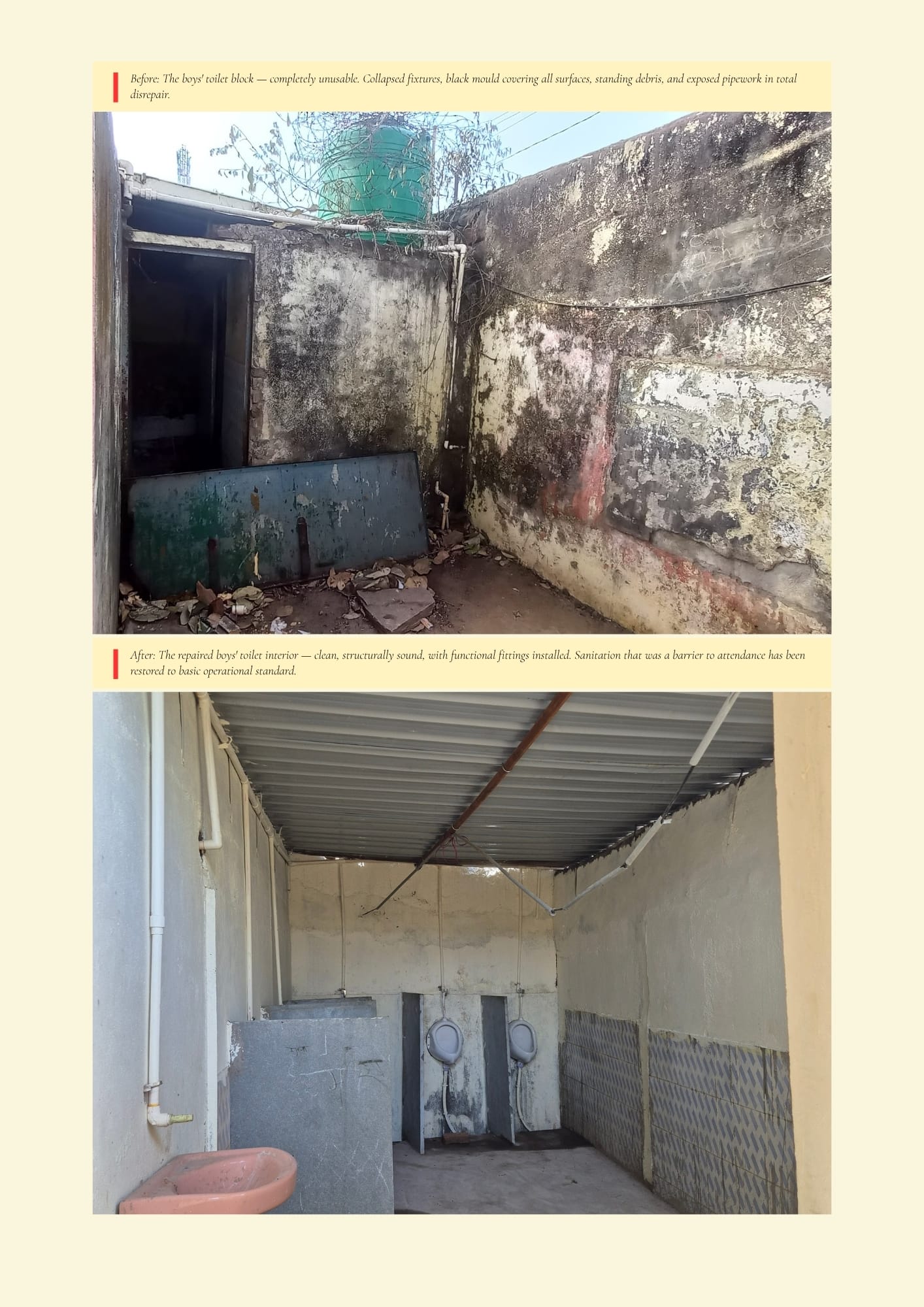
- Basic Facilities — drinking water, sanitation
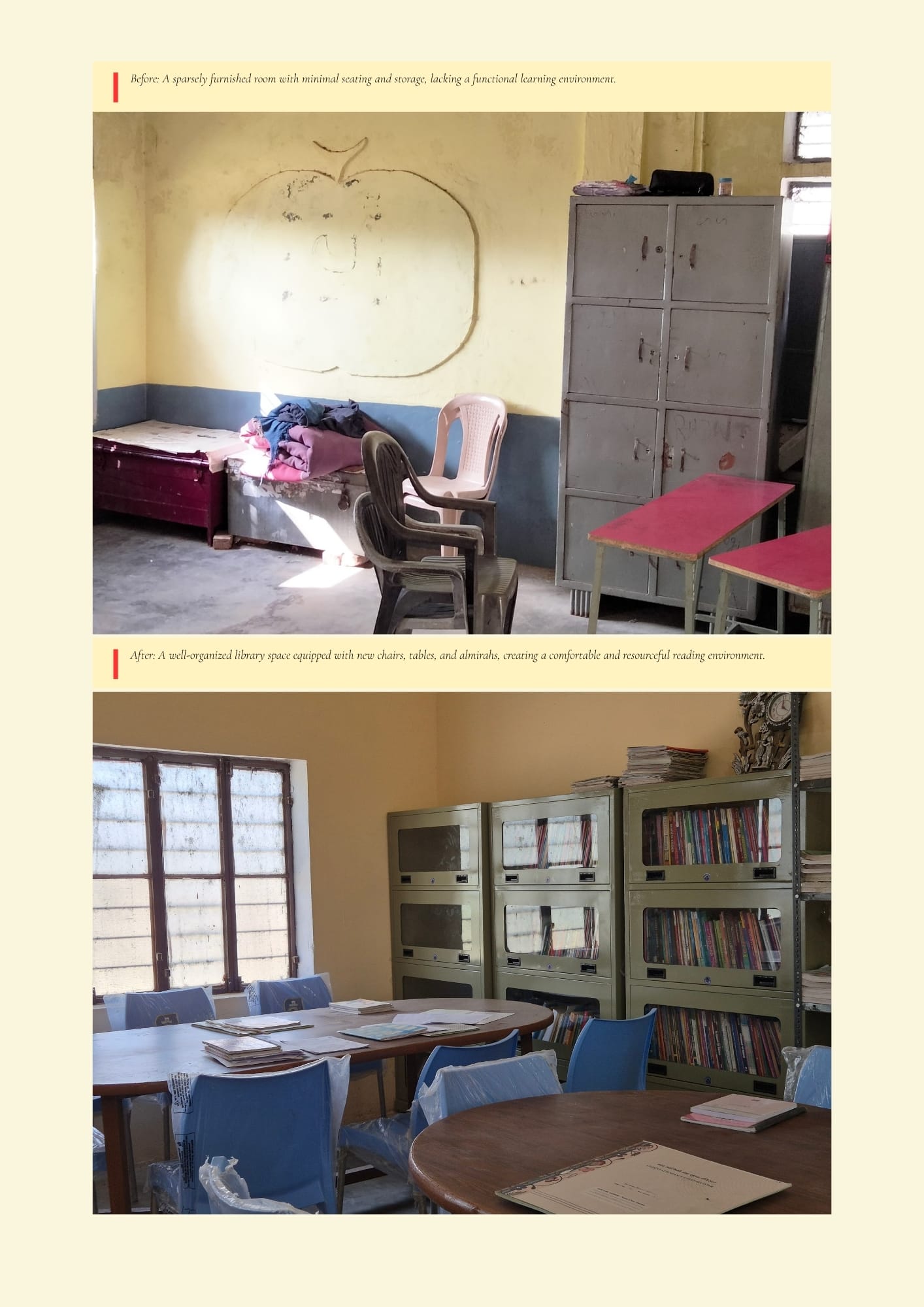
- Classroom Environment — desks, lighting, organised spaces
- Learning Spaces — libraries and reading areas
- Institutional Support — staff rooms, school identity, motivational spaces
Every intervention is based on direct consultation with teachers, principals, and communities — not assumptions.
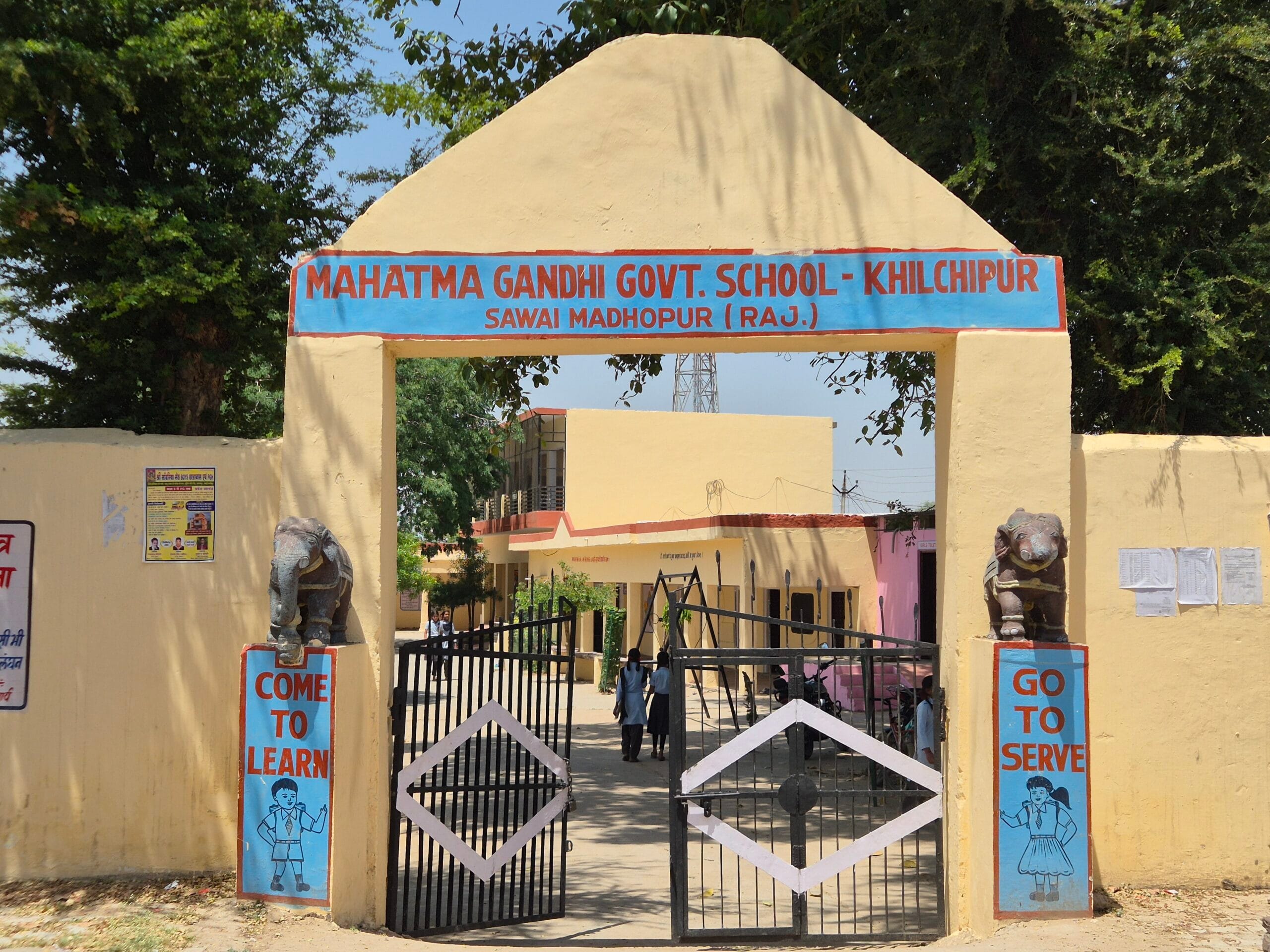
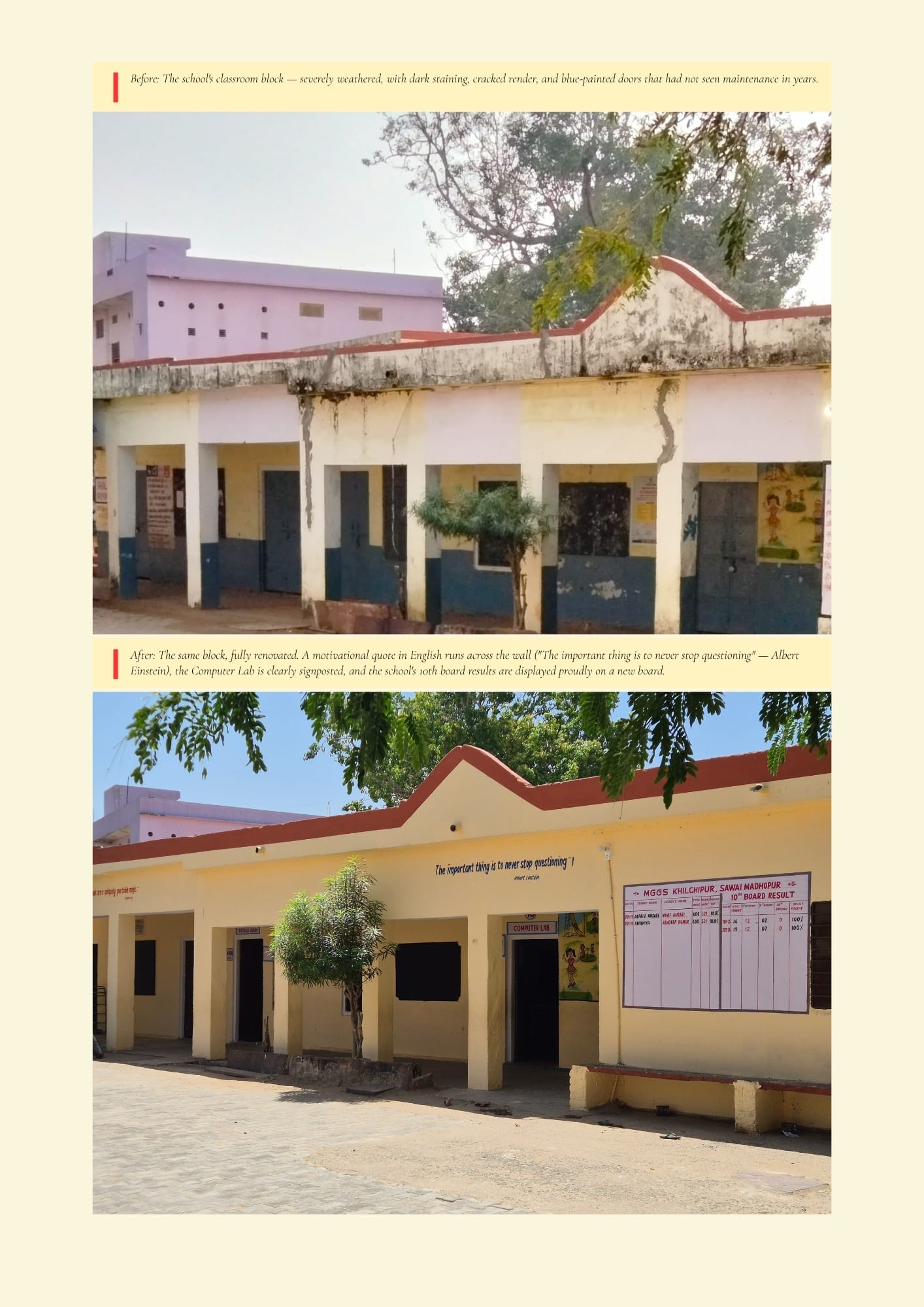
Case Study: Mahatma Gandhi Government School, Khilchipur
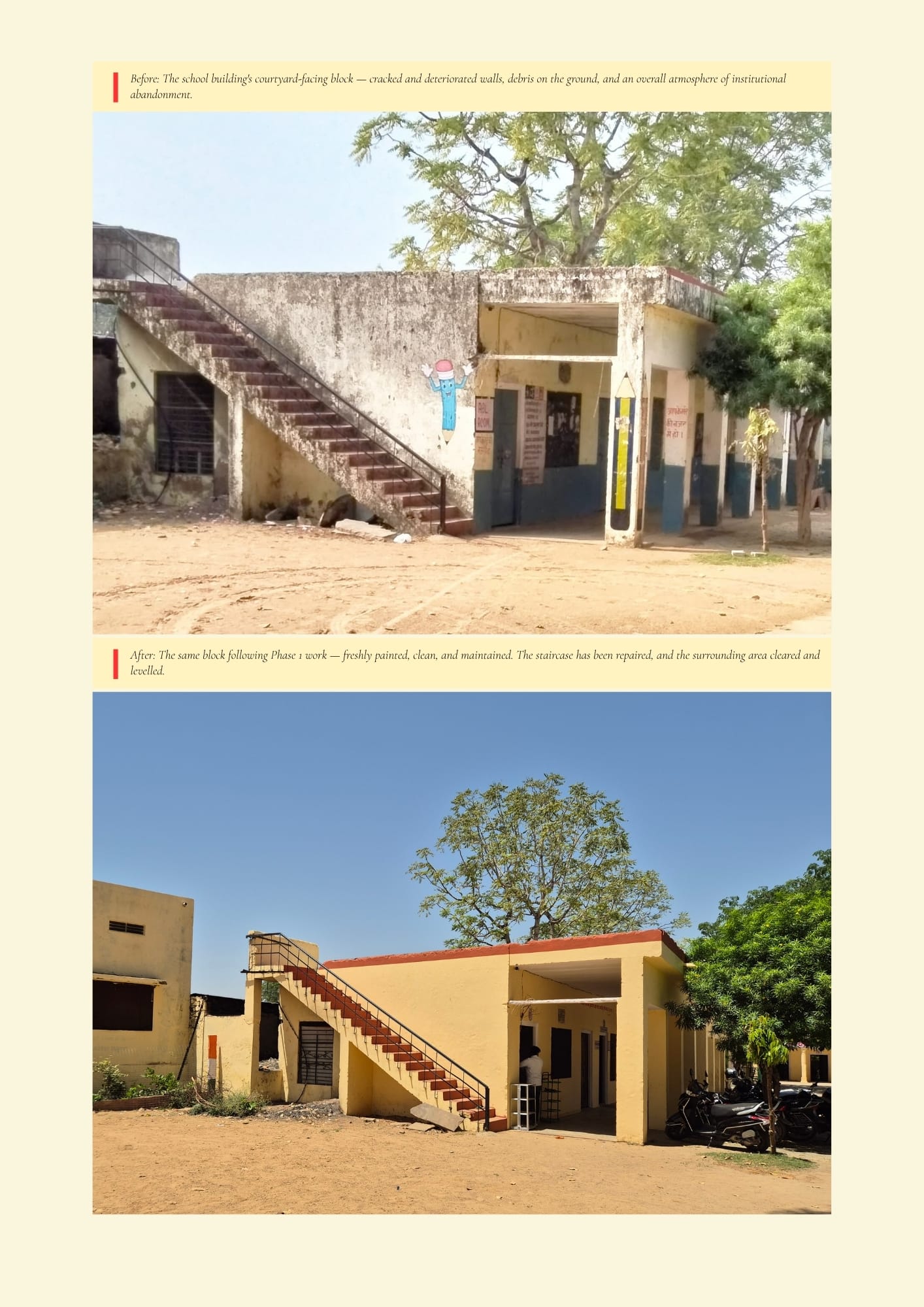
Mahatma Gandhi Government School in Khilchipur presented a compelling case for focused intervention. The school's location at the edge of one of India's premier tiger tourism zones creates an almost symbolic tension: international visitors pass through this landscape daily to view tigers in the wild, while the children of the communities who live alongside those same tigers study in conditions that no tourism lodge would consider acceptable. Conservation that does not translate into tangible benefit and dignity for fringe communities cannot sustain itself.
By improving the school's infrastructure in parallel with Tiger Watch's ongoing conservation education activities, this project aims to close that gap — not as philanthropy, but as strategy. Children who learn in a dignified environment are more engaged. Communities that see visible investment in their schools extend greater trust to the organisations working in their midst. And young people who grow up with both quality education and genuine conservation awareness become the informed, confident adults on whom the long-term fate of Ranthambhore's tigers will ultimately depend.
Before and After: School Improvements
Supported By

Address:
Maa Farm,
Ranthambhore Road,
Khilchipur, Sawai
Madhopur, Rajasthan,
India - 322 001
Phone: (+91) 90015 07777